Spend a museum visit with one painting and let it become familiar
Van Gogh’s Sunflowers in London offers a concrete starting point for looking slowly, even if you know little about art.

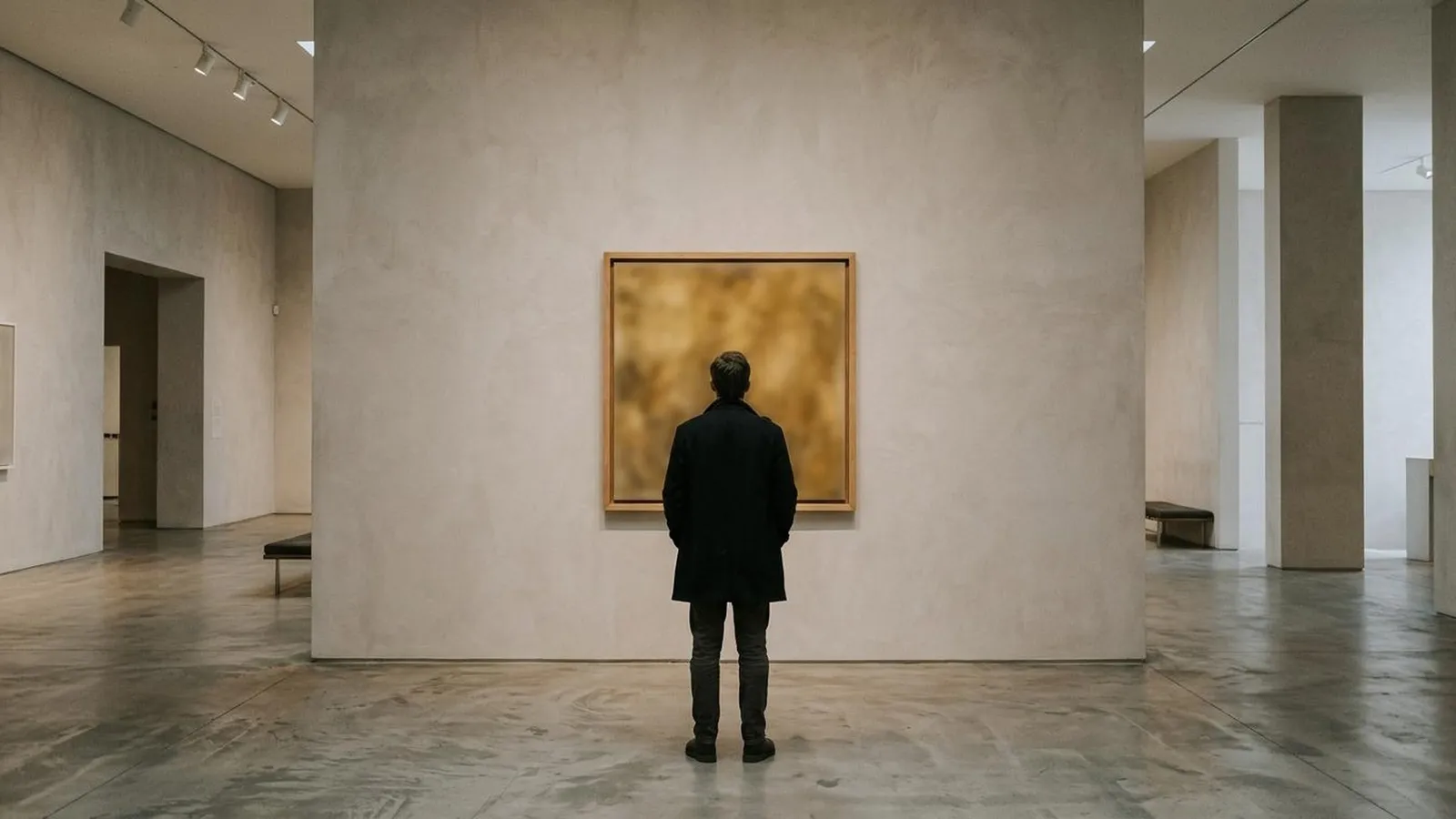
You recognize the painting before you really look at it. The yellow flowers, the vase, the name on the label: all familiar from books, postcards and screens. Then you notice that recognition has taken only a second, while the painting is still there waiting for your attention.
A small bucket-list ambition is to give one work more than that second. Van Gogh’s Sunflowers at London’s National Gallery is a practical example, but the idea can begin with a work in a museum near you.
Make one painting the purpose of the visit
The National Gallery identifies its Sunflowers as an 1888 painting, inventory number NG3863. Keep that identity with your plan: there are other sunflower paintings by Van Gogh, and a familiar title is not enough to identify the exact work.
Check its current display information before travelling. Collection ownership does not guarantee that an object will be on view in a particular room on the day you arrive. Also check the gallery’s current entry and access arrangements.
Once there, allow yourself to stay with the painting for a while without turning the entire museum into unfinished business. You can always see more later.
Look once before reading everything
Start with an ordinary question: where does your eye go first? Then follow what attracts it. Notice a shape, a change of color or the space between two things.
You are not being examined. There is no requirement to identify the correct artistic term before you can respond to a picture.
Try a second question: what do you notice now that you missed at first? You might see that flowers within the same arrangement are at different stages, or that a familiar reproduction prepared you poorly for the painted surface. Your own observation matters more than producing a sophisticated sentence about it.
Let the museum add another layer
After looking, read the label or use the gallery’s interpretation. Its account connects the sunflower pictures with Van Gogh’s house in Arles and the anticipated visit of Paul Gauguin.
Return to the work with one new question rather than trying to memorize the whole biography. Does the information change the way you understand the arrangement? Does it draw attention to something you had overlooked?
Keep your response separate from the museum’s explanation. “The gallery says…” and “I found myself noticing…” are both useful, but they do different jobs.
Make room for another person’s eyes
If you are visiting with someone, look separately before comparing impressions. Each choose one detail to show the other. You may discover that you spent several minutes looking at different parts of the same picture.
If standing for long would be uncomfortable, ask about seating and access before making this the center of your plan. Looking slowly should not become a test of endurance.
Do not let taking a photograph replace the experience. Follow the gallery’s current photography rules, and consider making a few words in a notebook your personal record instead.
Take one thing away
Afterwards, write a sentence that begins “I used to think…” or “I had never noticed…”. It need not be a grand conclusion. A small change in attention is a worthwhile result.
You could repeat the exercise with a very different work on another visit. Over time, your list might become a handful of paintings you have genuinely spent time with, rather than a list of famous museums entered.
The experience is not seeing everything. It is allowing one thing to stop being merely familiar.