Follow colour and familiar objects through Nice’s Matisse Museum
Give a Nice museum visit a practical focus: how an artist turns everyday things into a different way of seeing.

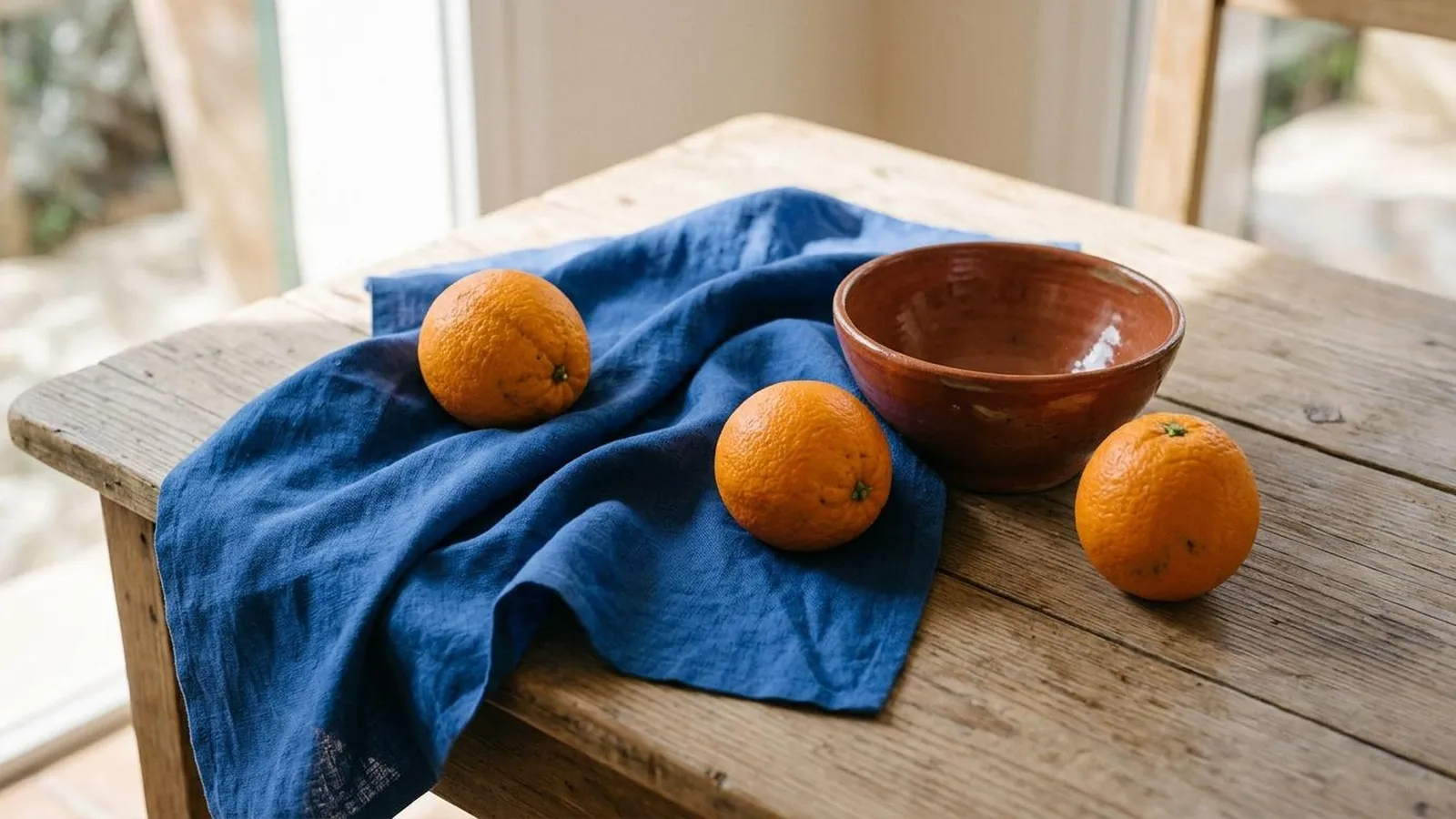
A chair, a piece of cloth or a vase can seem unremarkable until someone makes you look at it differently. That is a useful starting point for the Musée Matisse in Nice: arrive curious about how an artist uses ordinary things, rather than anxious to recognize the most famous painting.
This is an experience for someone who wants a cultural visit to leave a trace in everyday life. You might come away noticing the relationship between a blue bowl and a red tablecloth at home, with no ambition to become a painter yourself.
Look for the relationship between objects and art
The museum’s collection includes artworks alongside objects from Matisse’s personal collection, many brought from his studio. Its account of the collection connects those possessions to his compositions and working environment. That gives you a thread to follow through paintings, drawings, sculpture and cut-outs. The collection
Choose two or three works that are actually on display. In one, pay attention to colour; in another, shape; in a third, the relationship between an object and the surrounding space. Ask what your eye goes to first, then look for what made that happen. You do not need the correct art-history vocabulary to begin.
The museum rotates its collection and lends works elsewhere, so build the visit around an interest rather than one guaranteed masterpiece. If a particular work is the reason for your trip, ask whether it will be on view. The museum also offers a Bloomberg Connects guide and recommends bringing headphones. Visitor information
Make room for a small experiment afterward
Try keeping three words in mind as you leave: perhaps contrast, curve and balance. During a later café stop, see whether those words help you describe a cup, an awning or the arrangement of chairs. This is a personal looking exercise, not a museum-led workshop.
If you enjoy drawing, make a simple study later of your own belongings. A rough arrangement of shapes is enough. If you prefer writing, describe one object without naming it. Both approaches give the museum visit a second life without requiring special equipment or a shopping bag full of art supplies.
For companions, compare which work held each person’s attention. Two people can spend the same visit following quite different things. There is no need to turn the discussion into a test of who understood the exhibition best.
Plan for Cimiez and the actual entry route
The museum is at 164 avenue des Arènes de Cimiez. Its usual main entrance involves a large exterior staircase; the practical page describes a different approach through the villa’s southern forecourt for access needs. Check that route with the museum if it matters to your visit.
As checked in November 2026, the museum normally closes on Tuesdays and has also posted an exceptional November 30 maintenance closure. Check the current calendar before travelling. Its posted security notice prohibits backpacks and bulky luggage and says lockers are unavailable. Plan to arrive without those items, and confirm arrangements with the museum if you need storage.
Leave some unscheduled time after the galleries. This bucket-list idea is complete when you have found a new way to look at something familiar. It need not be the largest museum day of your trip to become one of the most useful.