Follow one bead through firing at Kazuri’s Karen workshop
Arrange Kazuri’s free workshop tour in Karen and ask the makers to show one clay bead design before and after firing.

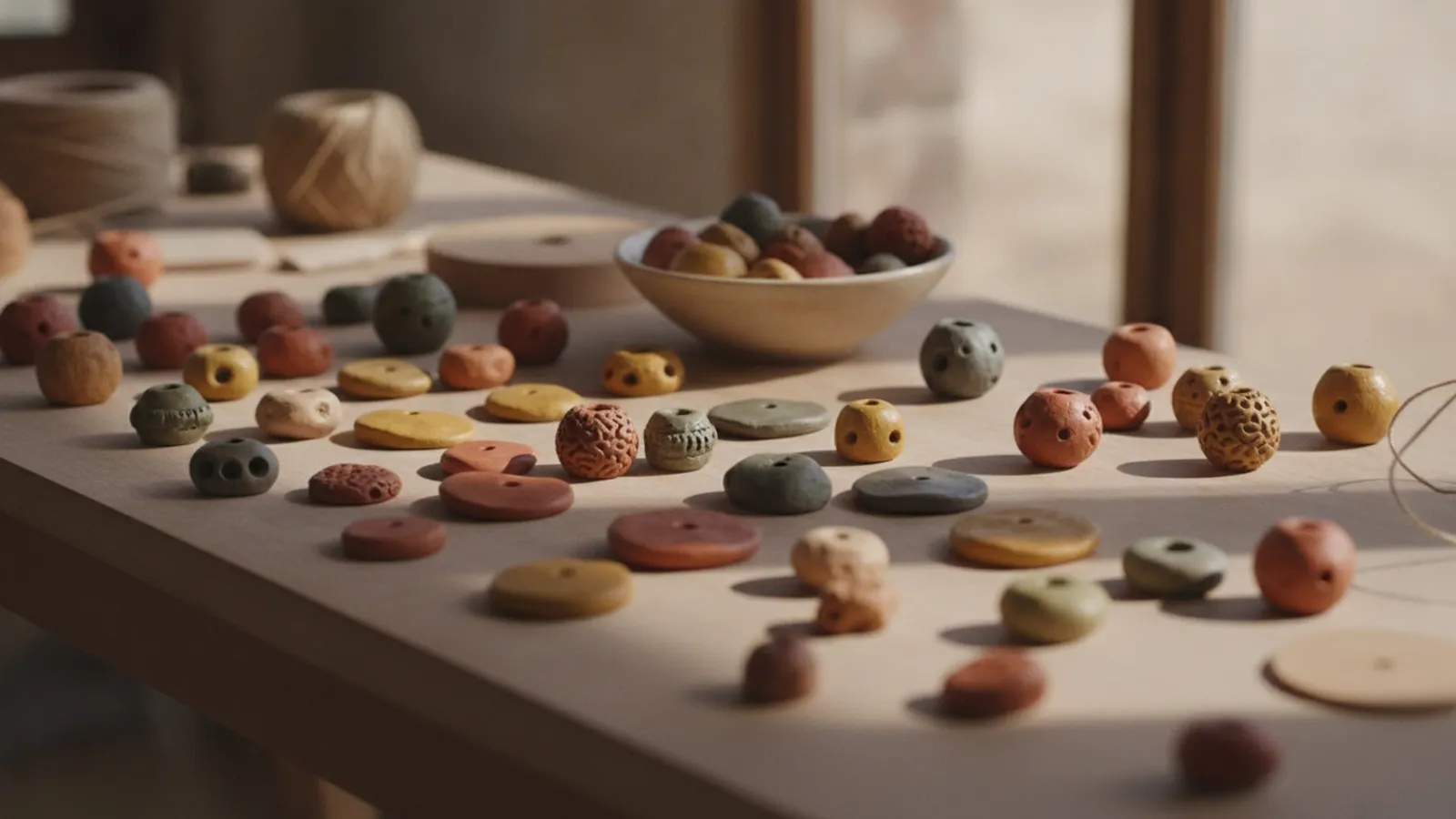
A finished bead on a string gives little away about what it looked like at the workbench. At Kazuri’s workshop in Karen, ask to follow one bead design through the steps an artisan can show you. Compare a sample before and after firing. The contrast makes the work easier to see than trying to absorb the whole tour at once.
Arrange the kind of visit you want
Kazuri’s workshop page invites visitors to arrange a free tour in Karen, meet some of the makers and see the stations and steps of jewelry-making. It asks you to contact Kazuri to arrange the visit, so confirm the day, time and meeting point when you book. The same page mentions an exclusive jewelry design experience without giving details, a shop where you can try on pieces, and a coffee shop open Monday to Saturday. If you would like to make something rather than watch production, ask what the design experience involves, whether places are available and what it costs. Ask about time on your feet and whether samples can be viewed without moving between every station.
Compare the bead before and after firing
Kazuri’s story says each bead is shaped, painted and fired by its artisans, using clay from the foothills of Mount Kenya. Choose one shape or color the artisan says can be compared at different stages. Ask what goes into shaping the clay, at what stage color is applied and what changes in the firing. The samples you see may be different beads that represent the same design. Ask the artisan to identify which stages they show. Kazuri’s pages don’t say whether the kiln is part of the tour, so a kiln working during your visit is a separate question from being able to learn about firing.
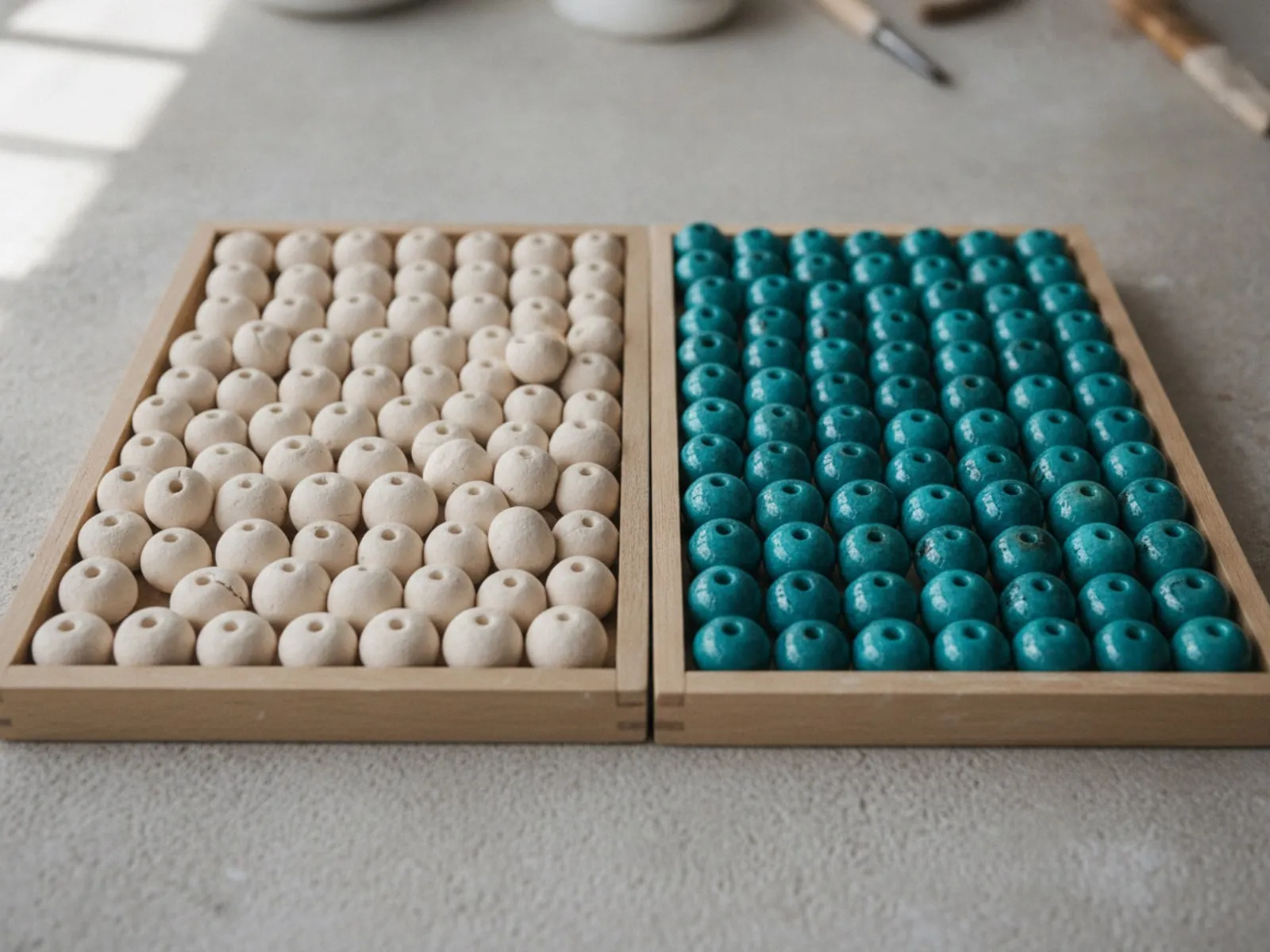
When you find a change you can describe, ask what the maker watches for to decide whether the bead is ready for the next step. Let the artisan tell you whether and where photos are welcome, what may be touched, and how they would like to be credited. Give the workshop’s work areas the space staff request. The same story page explains that Kazuri began in 1975 as a two-person workshop and that it employs women from marginalized communities, which is useful background alongside what the host shares.
Common questions
Will I make or fire a bead? Don’t count on it. The workshop page presents the tour as a chance to meet makers and see the steps. Ask what the separate design experience involves before assuming you will handle clay.
Can I visit without making a purchase? Kazuri describes the tour as free. Keep any shopping choice separate from the time you’ve set aside to learn.
Sources
- Kazuri’s workshop visits · checked 2026-11-24
- Kazuri’s story and making process · checked 2026-11-24