Follow one Omani seafaring object at the National Museum
Use one boat model in the National Museum of Oman’s ground-floor Maritime History Gallery to ask how people worked aboard and how the museum knows what it shows.

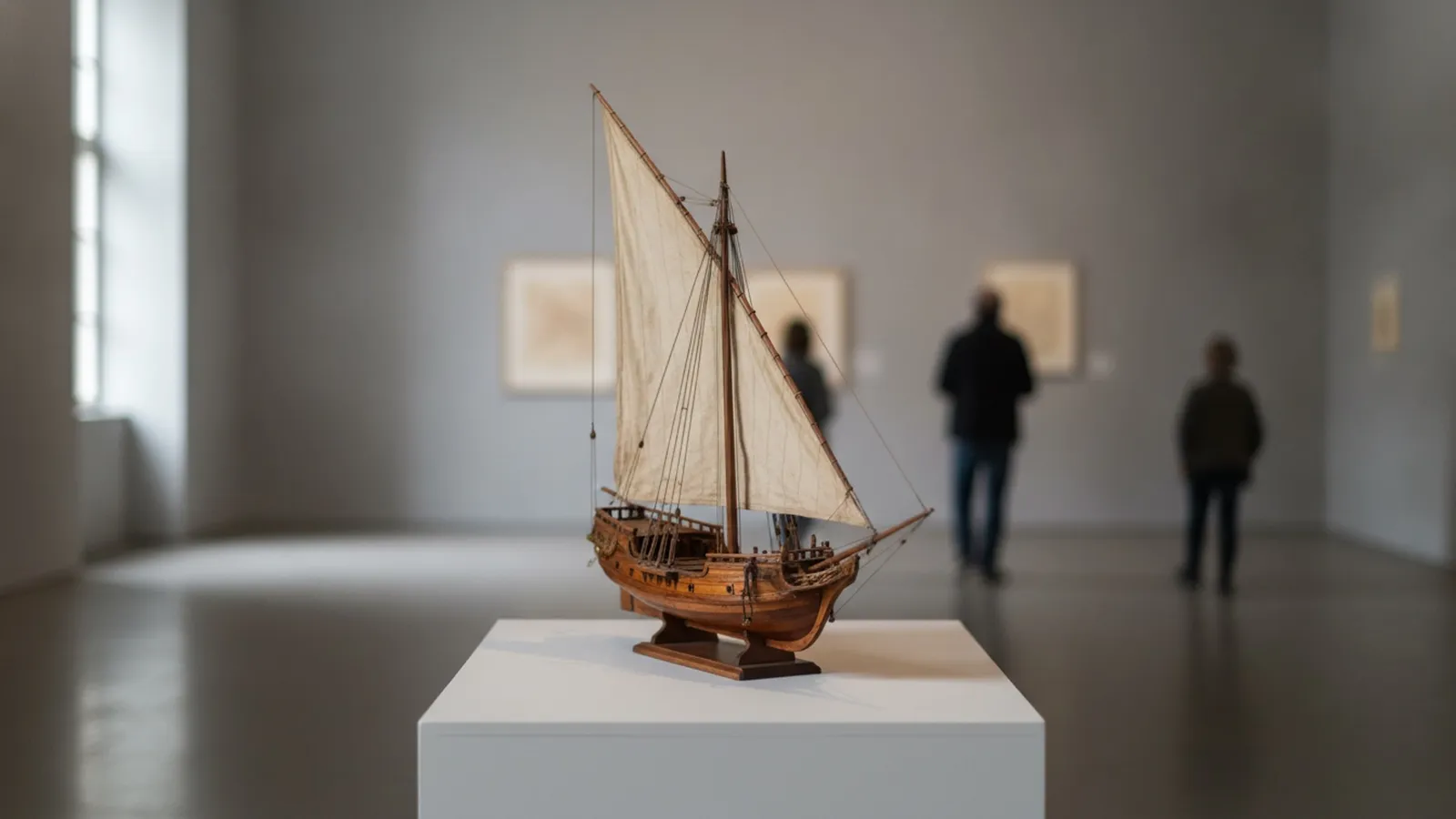
A boat model helps you see a vessel. A tool or fitting can help you picture a job someone did aboard it. In the National Museum of Oman, choose one maritime object and find out what a person needed to do with it. Start small enough to give the museum’s explanation time to change what you see.
Go to the gallery with one question
The museum’s Maritime History Gallery presents Oman’s 5,000-year relationship with the sea, a trading network that reached from China to East Africa, navigational writing and boatbuilding traditions. It says many of the boats are reconstructed in miniature in the gallery. The galleries page lists it on the ground floor, alongside The Land and the People and other galleries.
The museum’s working hours page lists Saturday to Friday, 10:00 a.m. to 6:00 p.m., with the ticket desk closing at 5:30 p.m. Older listings elsewhere give shorter hours, so check this page on the day. The museum’s FAQ says payment is by Visa or Mastercard only and that an accessible lift serves the entrance. Guided tours need prior booking; the general tour lasts an hour and a half, and the FAQ says tours run in different languages and meet in The Land and the People Gallery. Ask staff which vessel, model or piece of equipment gives a clearly explained example of work aboard. A photograph or an old listing could describe a display that has changed.
Put the object in someone’s hands
Try to place it alongside the movement it supported. Where on the vessel did it belong? What did someone need to see, hold or signal while using it? Because many boats here are miniature reconstructions, check whether a model represents a specific vessel or a general type. Ask which parts of the exhibit help distinguish those possibilities. Use the museum’s own name for the vessel or its role.
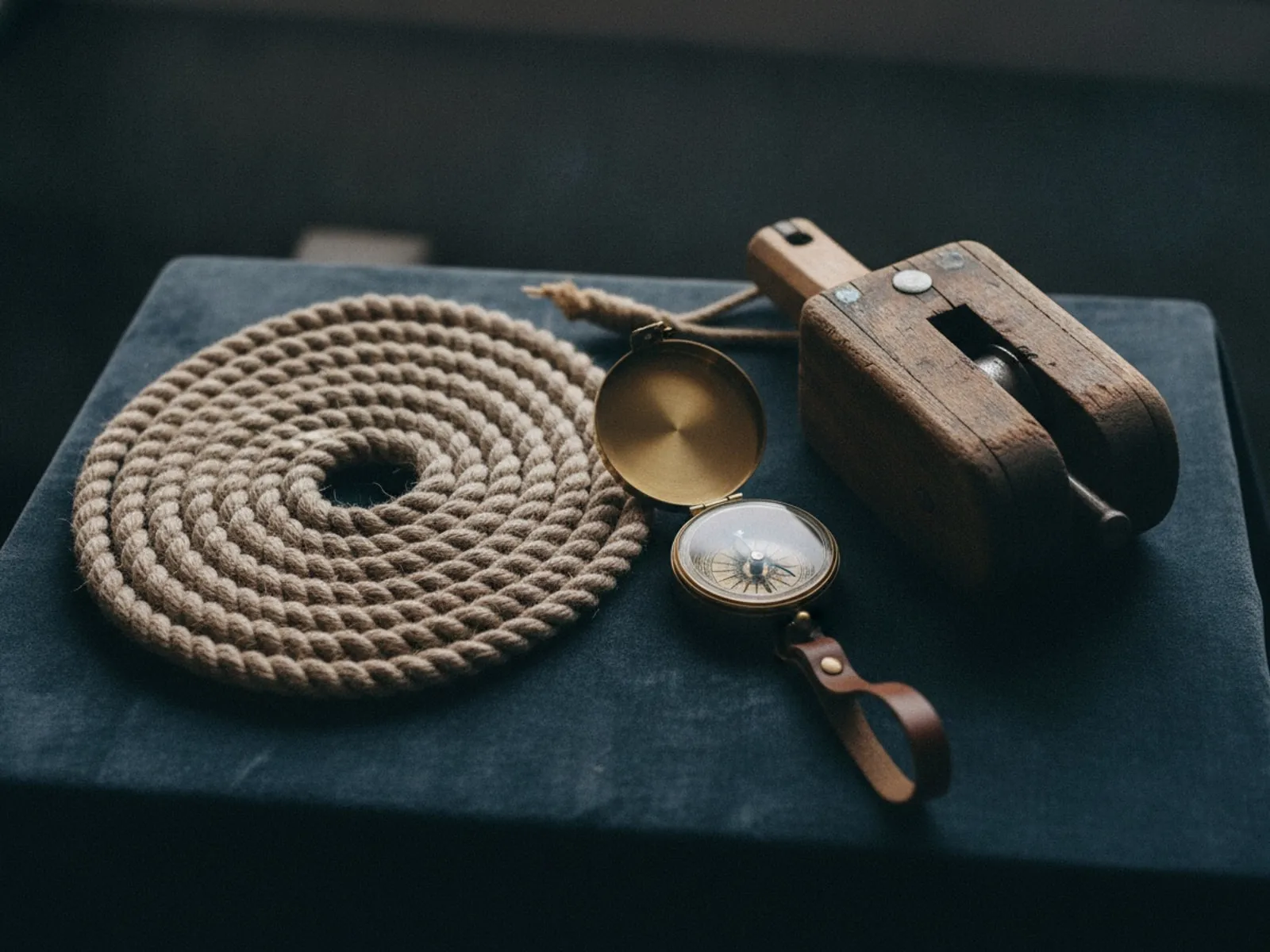
Choose one feature you can see and one part of the explanation you can remember afterward. A line on a model might show a place from which someone worked, while the label might explain a route or a material. Let what the museum provides determine how specific your account can be. You can compare notes with an early-morning visit to the working fish market on a different day.
Common questions
What if the object I wanted is unavailable? Ask for one available example about fishing, trading or navigation. The visit needs one object with usable context.
Can I identify a vessel from shape alone? Treat the shape as a clue and use the museum’s label or guide for the identification.
Sources
- National Museum of Oman Maritime History Gallery · checked 2026-11-24
- National Museum of Oman galleries · checked 2026-11-24
- National Museum of Oman working hours · checked 2026-11-24
- National Museum of Oman guided tours · checked 2026-11-24
- National Museum of Oman FAQ · checked 2026-11-24