Try making music at Liverpool’s British Music Experience
Pair a museum of popular music with a small practical experiment on an instrument, even if you have never played.

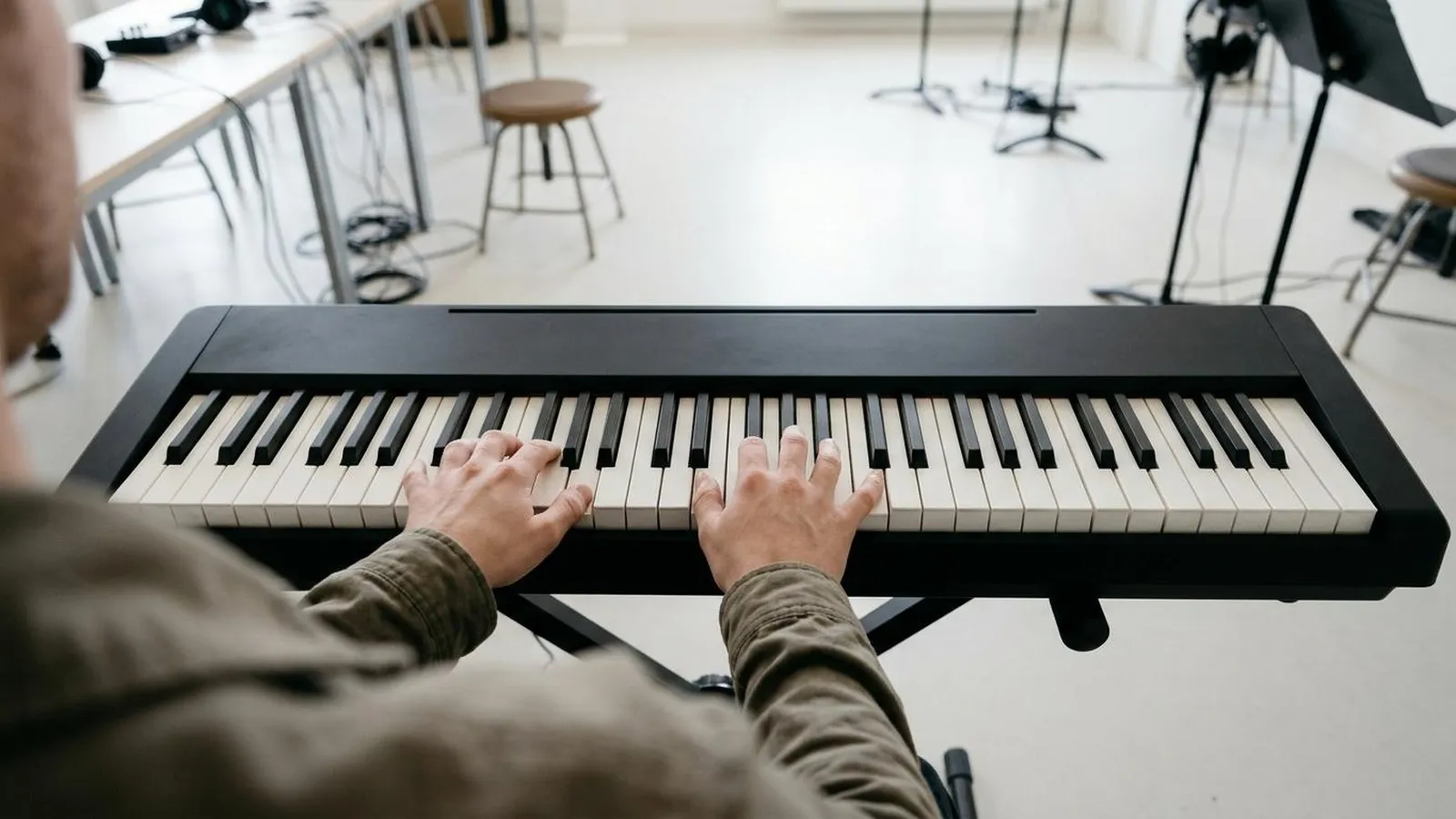
There is a useful moment when listening to music becomes trying to make a little of it yourself. You discover that keeping a rhythm or finding a few notes asks for a kind of attention you do not need when pressing play.
Liverpool’s British Music Experience gives you a setting for that experiment within a broader visit about popular music. Make the hands-on part your reason to go, with the galleries providing context for the sounds you already know and those you want to discover.
Choose one instrument to try
The museum’s Interactive Studio uses real guitars, drums and keyboards connected to guided learning stations. Its description welcomes both first-time players and people returning to an instrument. Simple tutorials let you experiment with rhythm and melody. Interactive displays
Choose one starting point. If rhythm interests you, concentrate on keeping a small pattern steady. If melody draws you in, follow a short sequence of notes. The objective is to notice what the instrument asks of you, rather than to produce a performance worth recording.
Let yourself repeat something. A second attempt often tells you more than quickly trying every available instrument. If other visitors are waiting, give them room and continue your musical curiosity elsewhere in the galleries.
This is a museum interactive rather than a private lesson or an instrument hire session. If a particular station is essential to your plans, check that it will be operating; the museum’s description is not a reservation for sole use of the equipment.
Connect the sounds with a personal history
Before the visit, think of three songs from different periods of your life. Which did you choose for yourself, and which did you first hear through family, friends or a particular place? Use those memories as a way into the wider story of music and audiences.
Then look for something outside your usual taste. Give one unfamiliar artist or style enough attention to understand why it attracted a following. You do not have to end up liking everything to leave with a richer sense of the subject.
With a companion, compare the songs that mark a similar age or stage in your lives. The conversation can be as interesting as agreeing on a favourite band. Keep a short listening list for later rather than trying to settle every musical argument in the gallery.
Plan for sound and time to participate
The British Music Experience is in the Cunard Building at Liverpool’s Pier Head. Its visitor page describes a typical visit of about two and a half hours, along with a Smartify audio tour for which you should bring headphones. Leave enough time to use the interactives rather than reaching them just before closing. Plan your visit
The museum describes step-free entry via a lift from Brunswick Street and rest points in the galleries. It also notes sound, lighting effects and interactive exhibits. Ask the team about any sensory or physical requirements that affect the way you want to participate.
Afterward, choose one modest next step: listen closely to a newly discovered album, try a beginner lesson near home or return to an instrument you put aside years ago. The visit has done something valuable if music feels a little more possible to make as well as to hear.