Visit Jersey Zoo with a conservation question to follow
Use a keeper talk and one conservation story to turn a Jersey outing into a closer look at the work behind a zoo.

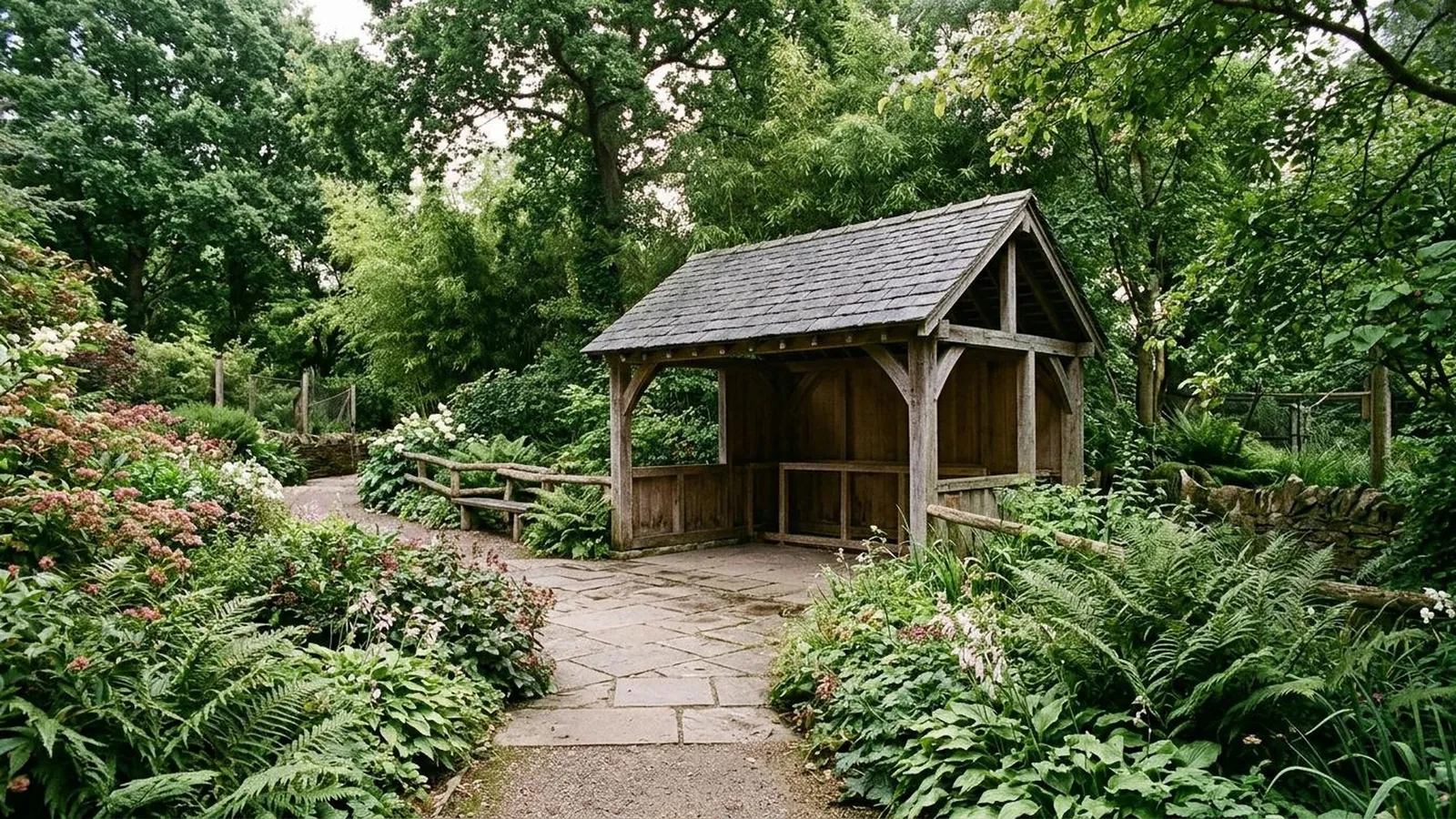
A zoo visit can become a quick succession of animals and photographs. Give a day at Jersey Zoo a different focus: choose one question about conservation, then use the visit to understand the people and practical work behind the displays.
For someone returning to Jersey, this offers a reason to revisit a familiar place with a different purpose. It is also an option for a reader who has enjoyed Gerald Durrell’s writing and wants to investigate the institution associated with his name.
Begin with something you want to understand
You might ask how a breeding programme connects with work in the wild, or why protecting a species requires more than caring for individual animals. Write the question down before arriving. It will help you choose what to read and which conversation to seek out.
Durrell publishes a schedule of keeper talks at Jersey Zoo, including talks about orangutans and giant tortoises. Check the current programme and build your route around one that interests you. Give yourself time to listen rather than trying to reach several talks back to back. Keeper talks
During the talk, listen for the distinction between an animal’s individual needs and the challenges facing its species. If there is an opportunity for questions, ask something specific about the work being described. “What happens next?” may lead to a more useful answer than a broad request to explain conservation.
Connect the visit with a Jersey story
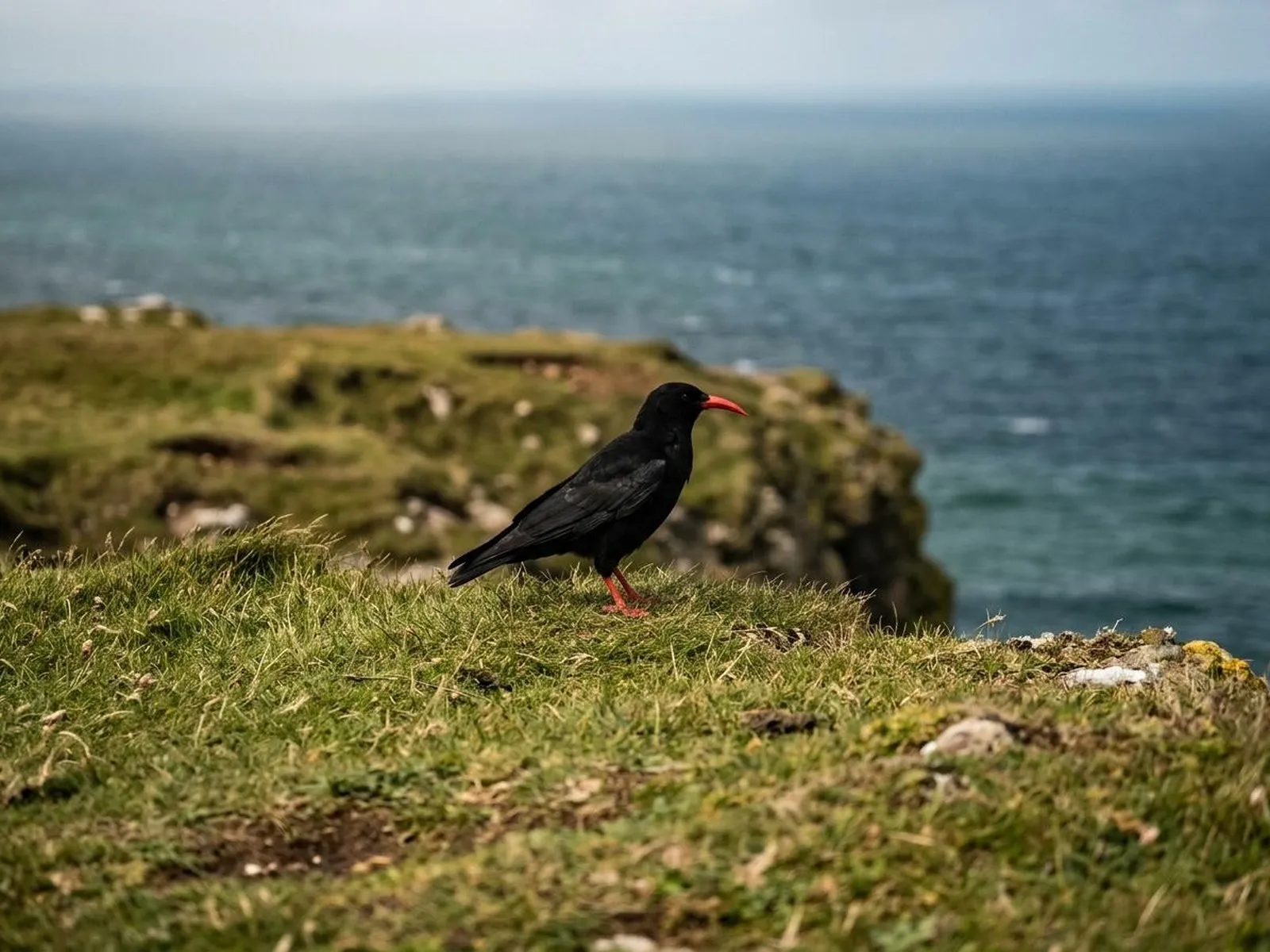
Durrell’s account of returning red-billed choughs to Jersey offers a local example. It describes a long-term project combining habitat management, captive breeding and monitoring, with birds first reintroduced in 2013. That is a useful story to read alongside a visit because it connects care of animals with conditions outside the zoo. The chough project
Do not turn that story into a promise of seeing wild choughs during your day at the zoo. The value here is understanding the relationship between different kinds of work. A separate wildlife outing would need its own planning.
You can keep your own response open. Notice what the interpretation explains well and what you still want to ask. Choosing to visit does not require you to set aside questions about animal welfare, resources or how conservation results are measured.
Plan a visit at a comfortable pace
Use the official visitor pages for the current map, opening times and access information. Pick a manageable route around your chosen talk and a few other stops, with room for a break. Confirm any assistance or equipment you need before travelling. Plan the visit
Animal experiences are offered as separate bookable activities. If you are considering one, read its particular conditions and availability rather than assuming it comes with general admission. The day described here works as a normal visit centred on looking, interpretation and a keeper talk.
Give animals space to use their enclosures without trying to make them perform for a picture. A quiet period of watching can be part of the experience, even when nothing dramatic happens.
Before leaving, return to your original question. Write one thing you understand better and one thing you still want to investigate. That small record gives the day a purpose beyond counting how many species you saw.