Make one European sleeper night part of the experience
Try one European sleeper night for the experience, while being honest about comfort and the following morning.

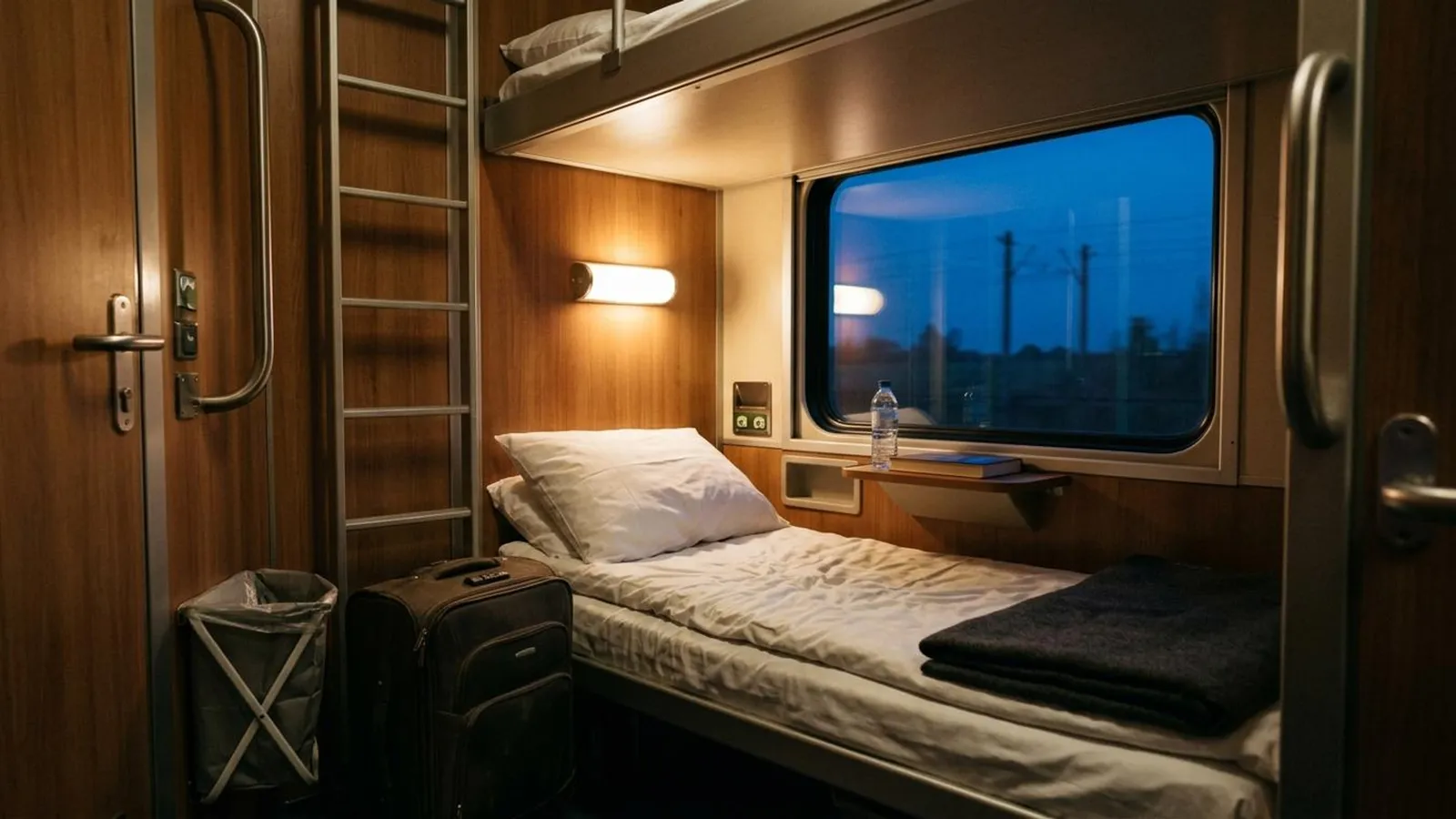
A sleeper train can make the journey feel like part of the holiday. You settle in somewhere, pass through the night and wake in a different place. It can also mean unfamiliar sounds, interrupted sleep and a morning when you would rather find a quiet chair than start sightseeing.
Choose a first night that leaves room for either outcome. The aim is to find out whether this way of travelling suits you, not to prove that trains always beat flights or that a berth automatically replaces a comfortable hotel night.
Name the night you want
There are several experiences hidden inside the phrase “night train.” Sharing a sleeping space with strangers, having a private compartment, and sitting overnight are materially different choices.
Nightjet, for example, distinguishes accommodation types and describes couchettes and Mini Cabins on its comfort pages. The offer depends on the actual train and carriage. A photograph from one service is not evidence of the room you will get on another. Nightjet couchette information.
Write down the needs that would determine enjoyment: privacy, bed access, room for luggage, a usable washroom arrangement, or being able to stay together. Check them against the exact service. If you need assistance or an accessible arrangement, get service-specific information rather than treating a category name as an answer.
Rehearse the small space
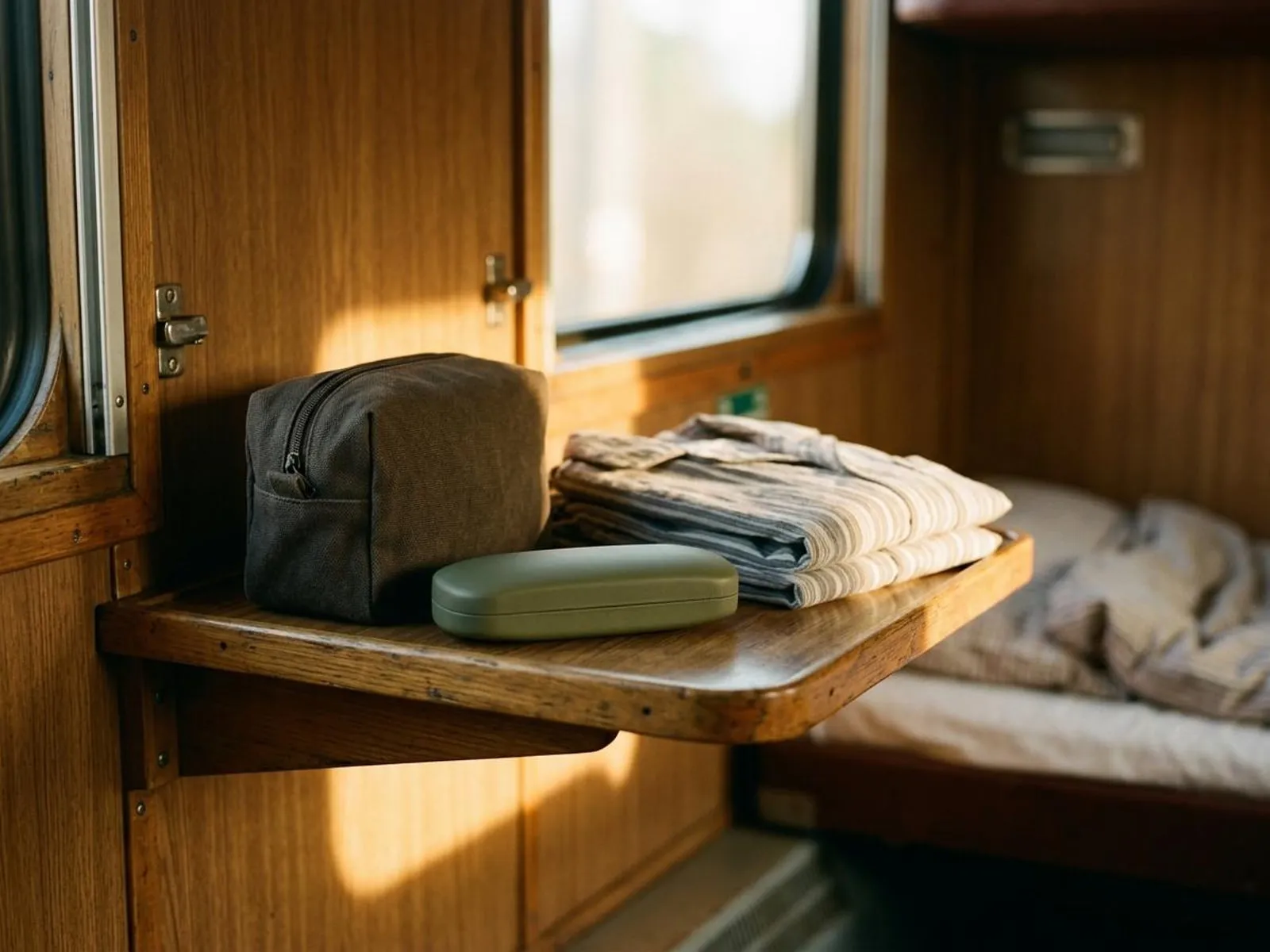
A fictional couple might take one overnight bag between them while keeping larger cases closed. They put medication, sleepwear and morning essentials in reach, so bedtime does not require unpacking everything in a narrow space.
You can rehearse that at home. Pack the small bag, then imagine reaching it without spreading belongings across the floor. Decide where glasses, phone and valuables will stay. The exercise is about reducing friction, not buying specialist equipment.
Talk about expectations too. A companion hoping for a sociable evening and another hoping to turn in immediately may need a plan more than a better camera.
Protect the following morning
A very early arrival can sound efficient on a timetable and feel less impressive while you wait for accommodation to become available. Check your bag-storage and room-access arrangements separately; neither should be assumed from a reservation for that night.
Give the first day a forgiving shape. Breakfast and one optional activity may be enough. Avoid making the whole trip depend on a tight onward connection or a demanding event immediately after arrival.
Use Railway Reviews’ European night-train guide to compare the practical options. For the wider trip, TravelTutor’s open-jaw planning guide explains another way to avoid unnecessary backtracking.
Judge the experience on its own terms
Afterwards, ask whether you liked the movement, the change of place and the evening aboard. Also record how you slept and what you would change. Enjoying one night does not oblige you to build an entire holiday around sleeper trains. Disliking it does not mean you travelled badly.