Spend a quiet Dublin visit at Marsh’s Library
Enter a historic library as a visitor, with time to notice the room and its relationship to books and readers.

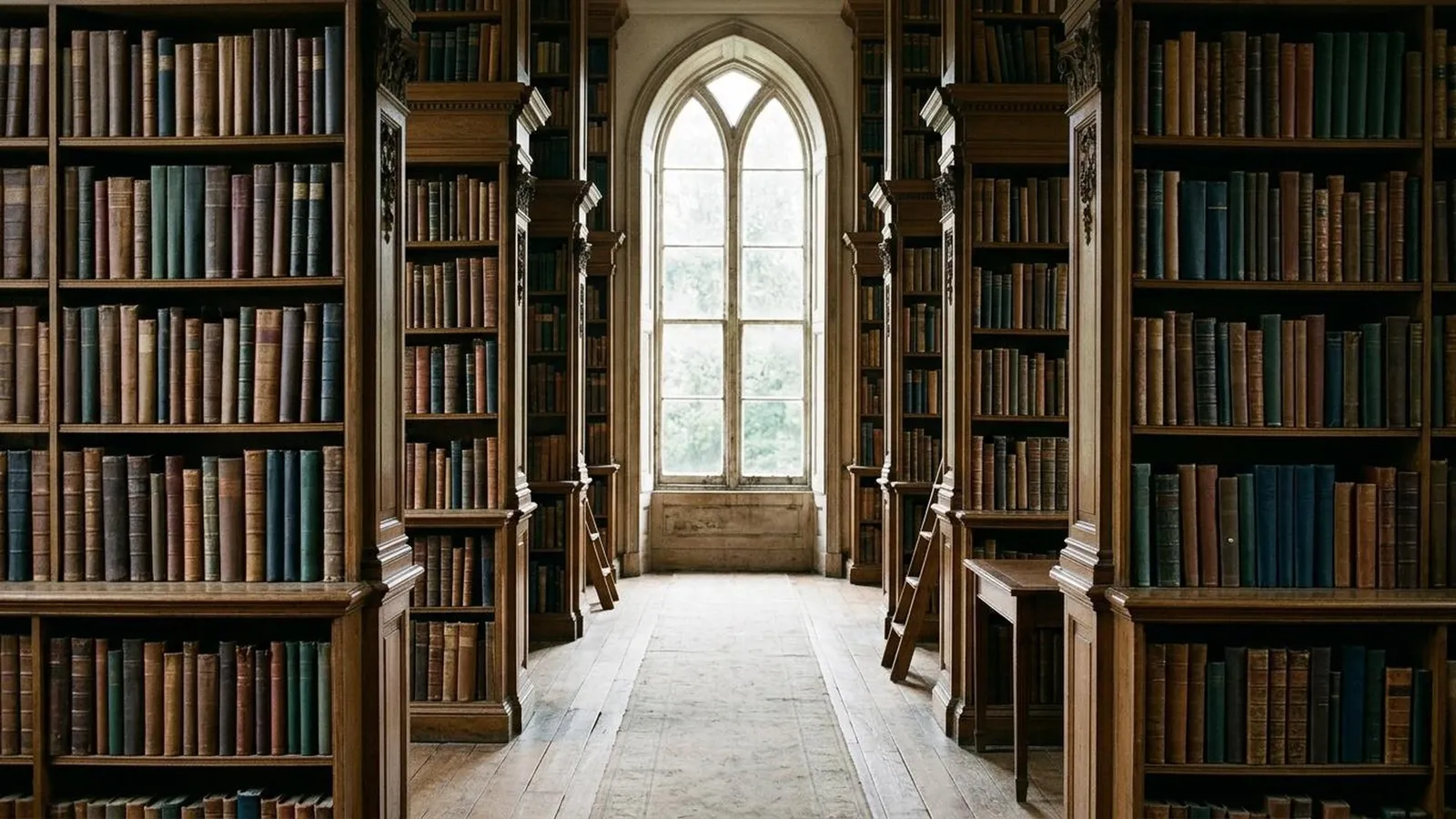
A library visit can be about more than the books you hope to read. The room itself can invite questions: how knowledge was stored, who could use it and what it meant to spend time among those shelves.
Marsh’s Library in Dublin offers a focused literary experience for someone who enjoys that atmosphere. Established in 1707, it gives you a different kind of stop from a large museum or a tour of a writer’s biography. You can begin with an interest in books as objects and libraries as places.
Choose the visitor experience
The library offers a self-guided visit with printed information in several languages. Check its current exhibition and visitor arrangements before going, then allow yourself to look at the space without trying to read every available explanation. Library visitor FAQ
Choose one question to follow. How are books arranged and protected? What does the architecture suggest about the act of reading? What does the current exhibition reveal about one part of the collection? A question helps turn an attractive interior into something you can think about afterward.
There is no need to manufacture a connection with a famous reader in order to enjoy the room. A detail about storage, a book’s appearance or the history of the institution can be enough to hold your attention.
Visiting is different from consulting books
A visitor ticket does not make the historic collection an open browsing library. Marsh’s has a separate reading-room process for consulting material, with appointments arranged in advance. If you have a research interest, use that process rather than expecting to take a book from a shelf during a sightseeing visit. Reader information
For most first visits, the visitor route and exhibition will be the right scale. You can discover whether the place makes you want to read more without beginning a research project on the spot.
If you want to take a personal photograph, the library’s FAQ permits it without flash. Commercial photography and filming require contact with the library. Permission for a personal image should not be assumed to clear every later use of it.

Resolve access before the day
The library states that its historic galleries are not wheelchair accessible. It can provide access to ground-floor facilities, shop and garden on request. Those are different experiences; ask what can be arranged for you rather than treating access to one area as access to the whole library.
Check current opening days and tickets, particularly around holidays, and plan your approach from your accommodation. Leave room afterward for a quiet break instead of scheduling the next attraction against an optimistic exit time. Plan the visit
During the visit, follow the rules for belongings, movement and handling. Give other people room to look, and let the quiet character of the place shape how you use it.
You might finish with a title to investigate, a new question about the collection or simply a vivid memory of the room. Write down the detail that made it distinctive to you. A return to Dublin can be built around that kind of small encounter: somewhere you wanted to spend time, not merely somewhere you wanted to say you had been.