Follow one manuscript into Qatar National Library’s Heritage Library
Use a displayed manuscript or digital record to trace one thing the library knows about how it was made, read or preserved.

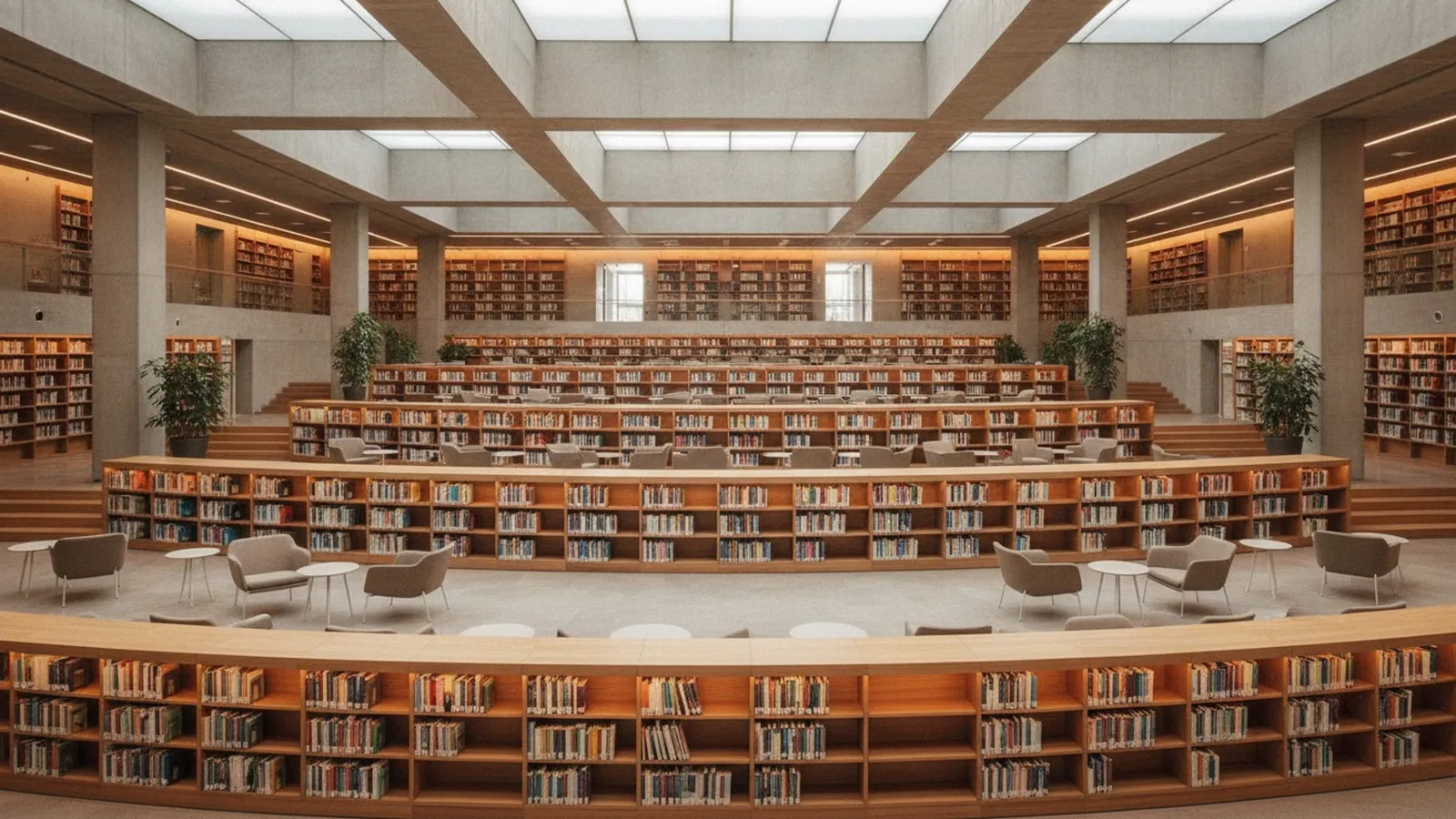
A manuscript in a case can show you a page. The catalogue gives you a chance to ask how much is known about the people behind it. At Qatar National Library’s Heritage Library, follow one clue about how an item was made, who read it or how it was kept.
Decide whether to begin in the exhibition or online
The library’s permanent exhibition page describes around 400 items from the Heritage Library collection on show, including manuscripts, books, historical photographs, maps, globes and travelers’ instruments. It says the exhibition is open to all without registration during the library’s working hours. The library hours page lists Saturday to Thursday, 8:00 a.m. to 8:00 p.m., and Friday, 4:00 to 8:00 p.m., and asks visitors to check the home page for changes. The library is in Education City, and the same page points to the Doha Metro Green Line’s QNL station.
The Heritage Library overview gives collection context: more than 3,500 manuscripts, more than 1,200 sheet maps, globes and travel instruments, and archives. It notes that part of the heritage collection has been digitized and can be viewed online, and it describes the Qatar Digital Library as free to use. Choose a public display that interests you, or start with a catalogued item that has an accessible image or description. A permanent exhibition can stay open while specific items change.
If your main purpose is to consult an original, that is a separate arrangement. The overview says heritage items are for in-library use only and can be requested for viewing in the Reading Room, which it lists as open Sunday to Thursday, 9:30 a.m. to 4:30 p.m. Researchers are asked to confirm an appointment at least two days ahead, giving the date and time and the title and reference number of each item. Browsing a public case, reading digital material and requesting an original are different activities.
Follow one clue in the catalogue
Pick a feature that can lead to a clear question: a named copyist, a handwritten addition, the piece’s material or a place in the catalogue record. Compare what you can see with what the record actually says. A note added later may tell you about use, while a catalogue entry may identify something that cannot be read from a single open page. If a feature’s origin is unknown, let it stay unknown.
Take away one record you can find again. Note which details came from the physical display and which came from a description or image. The library’s code of conduct says the library has a dress code, that commercial photography or filming needs permission, and that some items can’t be copied. It also lists the Heritage Library among the adult areas children may not enter, so ask at the desk first if you are traveling with children. Ask staff before photographing anything in the exhibition.
Common questions
Is there an online version of every exhibit? Not necessarily. The library says part of its heritage collection has been digitized, so check the catalogue for the particular item. A description or related digital record can be enough for the question you choose.
Do I need a library card or a booking to see the exhibition? The exhibition page says it is open to all without registration. A booking matters only if you want a specific item brought to the Reading Room.
Sources
- Heritage Library permanent exhibition · checked 2026-11-24
- Qatar National Library Heritage Library · checked 2026-11-24
- Qatar National Library hours · checked 2026-11-24
- Qatar National Library code of conduct · checked 2026-11-24