Cross Canada on The Canadian and give the days between cities a purpose
Toronto to Vancouver becomes a different holiday when the time aboard is something you want, rather than something to get through.

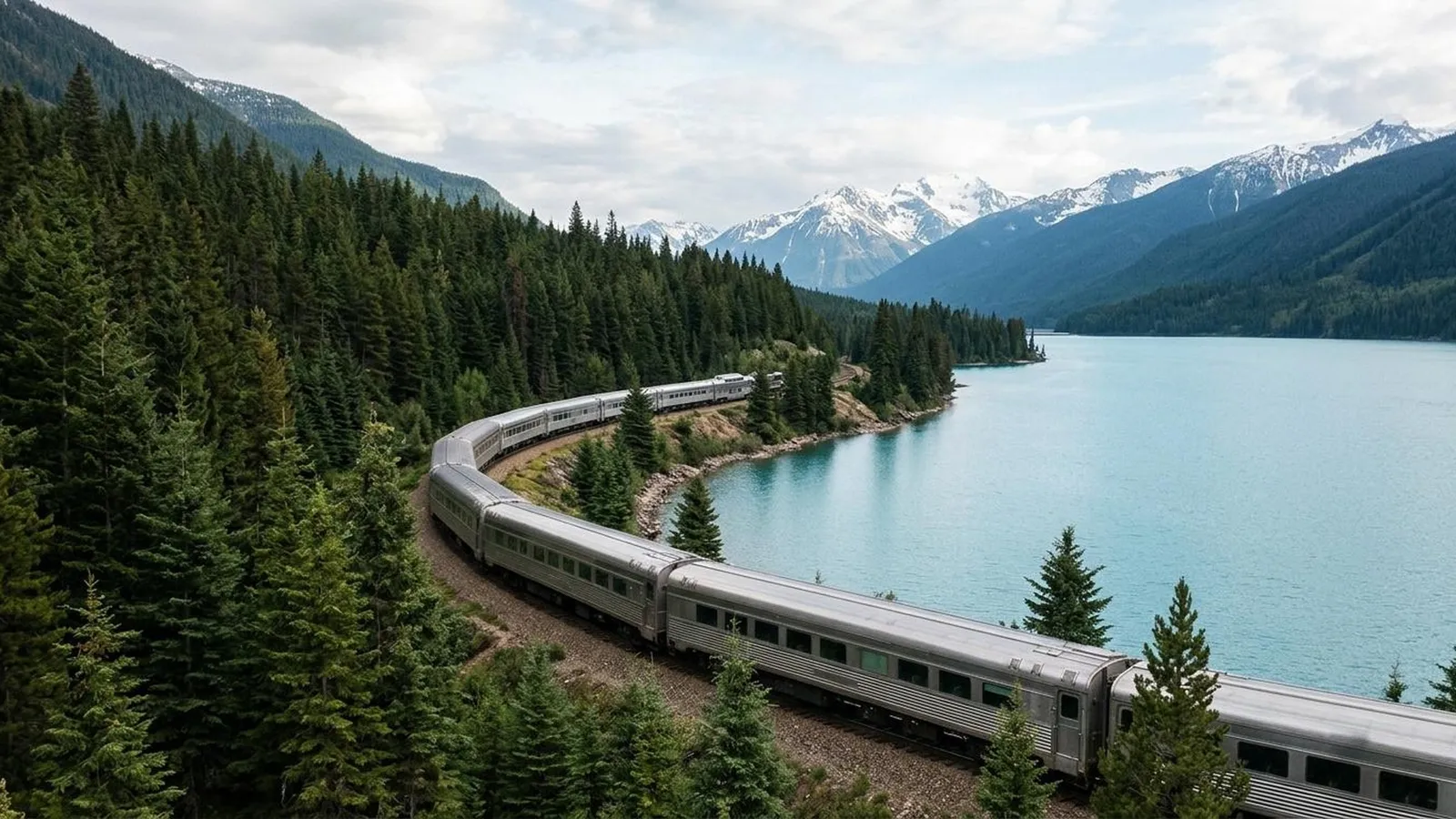
The attraction of a long train journey may begin with mountains, but the journey itself includes much more: a morning when you have nowhere else to be, a meal between places, the gradual realization that the landscape has changed while you were reading.
The Canadian is one way to make that experience the heart of a holiday. Destination Canada identifies its route between Toronto and Vancouver, with Winnipeg, Edmonton and Jasper among the key stops. Those names are a useful outline. The more personal decision is how you want to spend the time connecting them.
Choose the railway journey you actually want
There are two different ambitions hiding inside “take a train across Canada.” One is to stay aboard for a continuous journey. Another is to use the railway to connect stays in several places.
Choose before comparing prices. A stopover that looks obvious on a map still needs a valid booking and a suitable onward departure. You cannot assume that leaving a train for a few days preserves your place or accommodation on a later one.
Imagine wanting time in Jasper. That is a different plan from enjoying the view while passing through. Build the stay into the booking from the start, including where you sleep and how you continue.
Compare nights as carefully as scenery
A long journey makes the sleeping arrangement part of the experience. Look at the exact accommodation, bed configuration, washing facilities, meals and access arrangements included in your chosen class.
For two companions, a useful conversation is how much private space each needs. One person may happily spend the day around other passengers; another may want somewhere quieter to retreat. A scenic route does not automatically settle that difference.
Ask VIA Rail about anything important to your own needs rather than inferring it from a photograph. The cheapest seat and the cabin you imagined while dreaming about the journey may be very different purchases.
Choose a season for the trip you will take
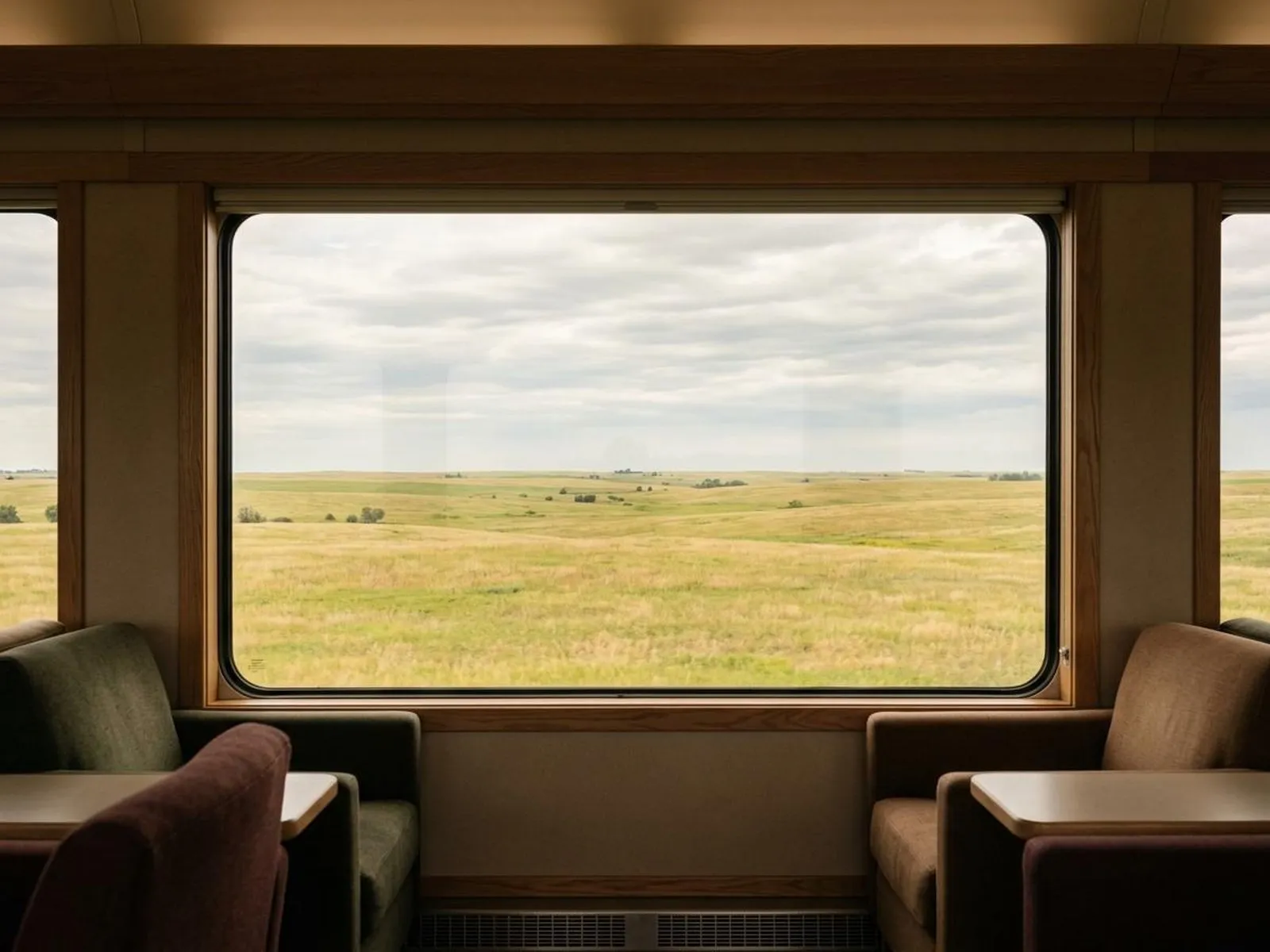
Use the timetable for your actual departure to understand when you expect to travel through the places that interest you. A spectacular route photograph does not establish that the same view will be visible in daylight on every journey.
Treat the published schedule as a plan, with enough room around it for disruption. Avoid putting a separately booked, inflexible flight immediately after your expected arrival simply to shorten the holiday.
If daylight scenery is the main reason you are going, discuss direction and seasonal considerations with the operator. Do not pay for an assumption you have never checked.
Bring a small project aboard
Choose something that suits the setting: a book about a place along the route, a few notes about how the landscape changes, or a conversation you have been meaning to give time to.
A simple notebook could have three entries each day: something outside the window, something learned from another person and something you want to explore after arrival. You are making a record, not setting yourself an assignment to document every mile.
Leave room for the uneventful stretches. The slower moments are part of choosing rail travel rather than an obstacle to the highlight photographs.
Finish somewhere you want to be
Give the destination a little attention too. Arriving with time to settle in is a different ending from rushing directly into the next connection.
Your bucket-list entry might become “travel from Toronto to Vancouver by train, then stay long enough to enjoy arriving.” That is specific enough to plan and flexible enough to make your own.
The achievement is more than covering the distance. It is deciding that the distance deserves some of your time.