Cross the Atlantic on Queen Mary 2: make the sea days the point
A Southampton-to-New York crossing is a chance to enjoy the journey between places, rather than rush through it.

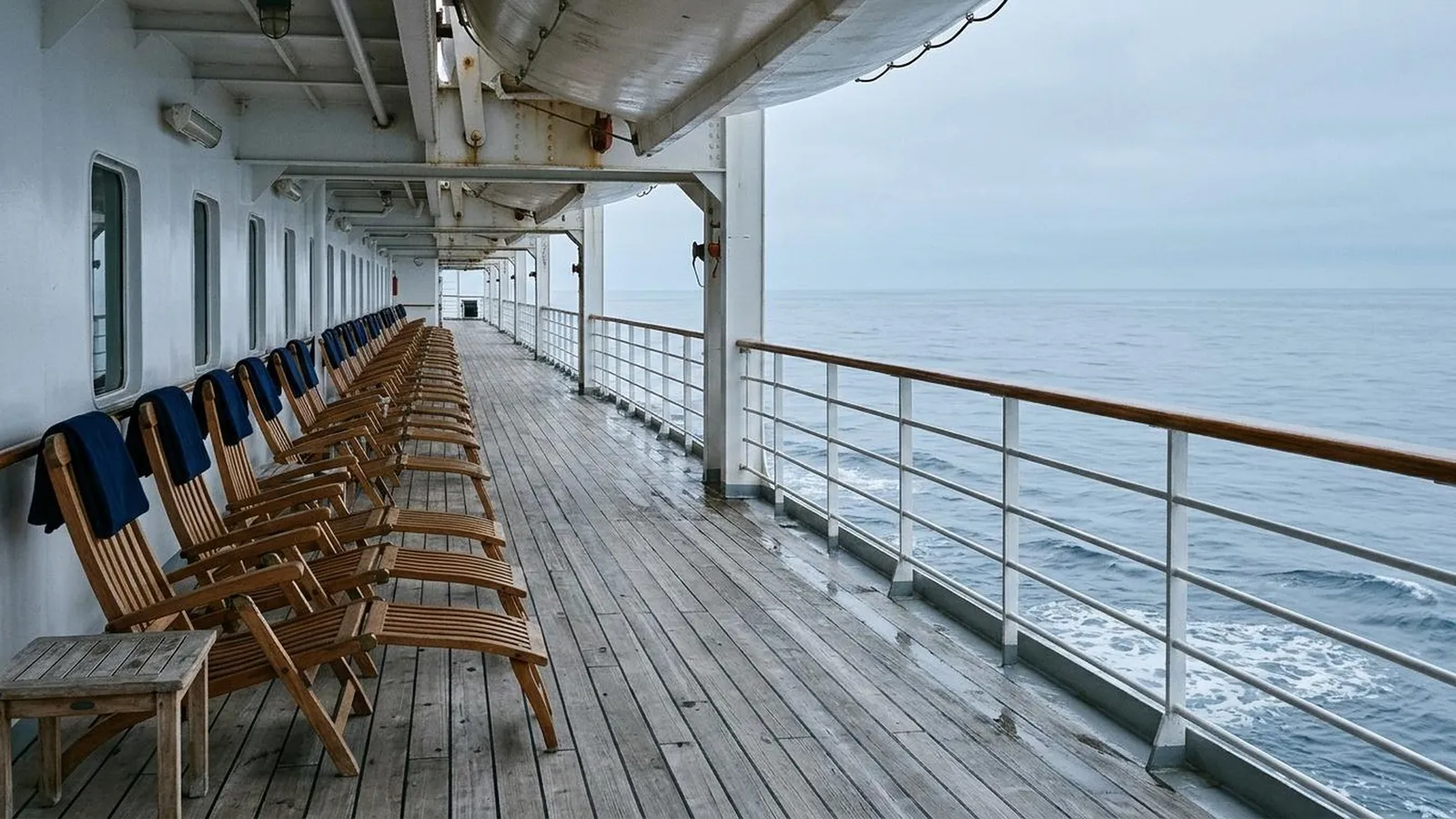
Imagine packing a book you have been meaning to read and giving it a place in the journey. There is no next port to hurry towards today. You could go to a talk, take a walk or return to the same comfortable seat. The ocean is what lies between this morning and tomorrow.
That is the attraction of putting a Queen Mary 2 crossing on a bucket list. Southampton to New York is a journey with a clear beginning and end, but much of its value depends on whether you would enjoy the days between them.
Choose a crossing, not simply a cruise with the right ship
Cunard lists voyage M710 as a seven-night Queen Mary 2 crossing from Southampton to New York, May 12–19, 2027, with sea days between the two cities. This is a concrete route example, not a promise of cabins at a particular fare. Check the listed crossing.
For your own trip, find a future sailing and read its complete itinerary. Ship name alone is not enough: you want the correct direction, embarkation point, arrival point and number of nights. Decide whether extra ports enhance your ambition or turn it into a different holiday.
Picture a Tuesday at sea
Would a day without sightseeing feel liberating? Or would you spend it waiting to arrive? That is a better first question than whether an ocean crossing sounds impressive.
Try imagining a modest daily rhythm: breakfast, a walk, an activity you actually want to attend, an unhurried lunch and time with a book or companion. This is a suggested rhythm, not a promised onboard program. Check the activities for your sailing if something specific is important to you.
You do not have to fill every hour to justify the fare. Equally, you need not pretend that a quiet crossing suits you if you much prefer days ashore.
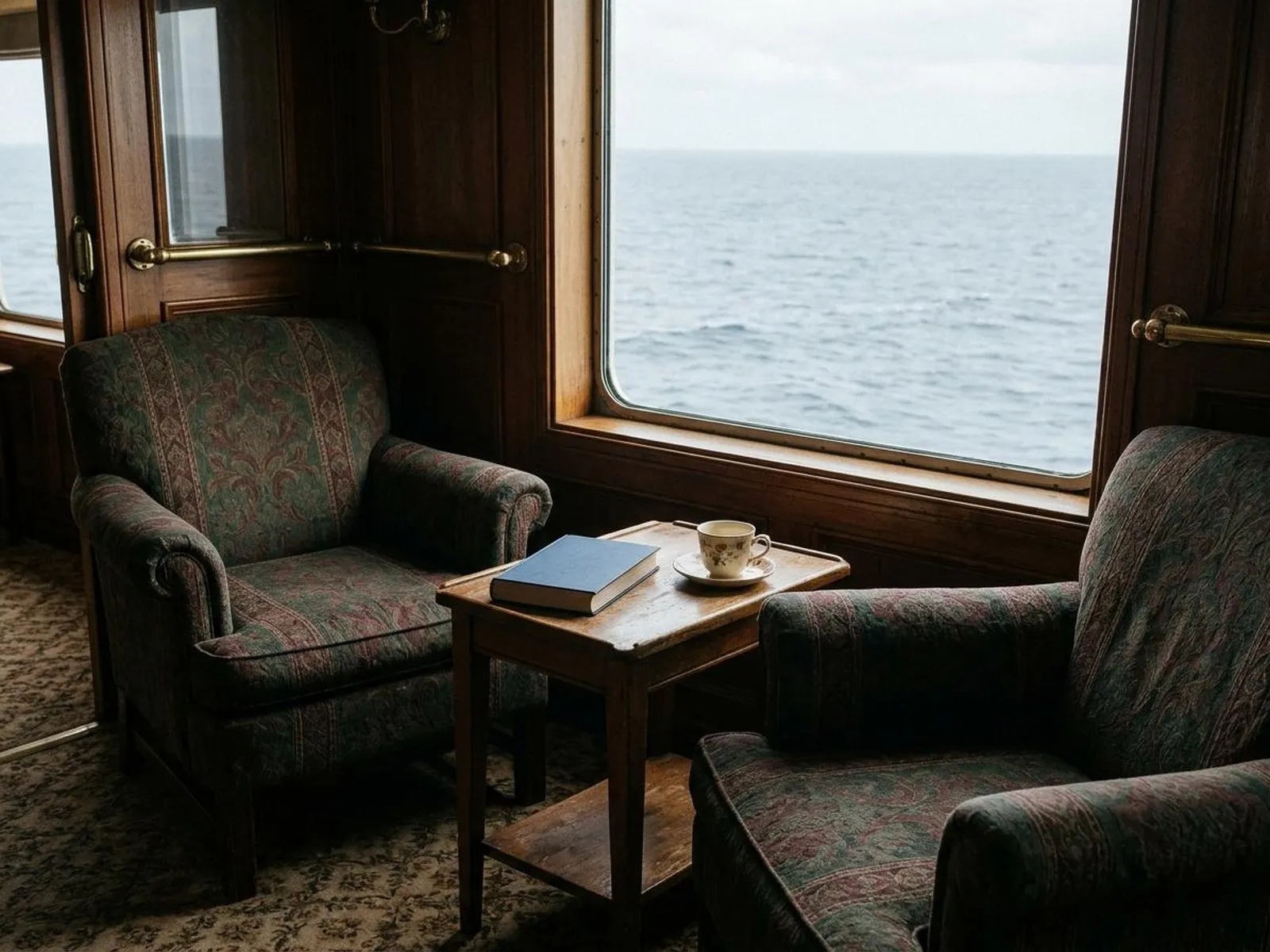
Make the cabin decision about daily life
Two people could reasonably choose differently. One would rather reserve a less expensive cabin and spend most waking hours in public spaces. Another wants somewhere private to read and look out, and is willing to allocate more of the budget to that.
Ask what the chosen cabin includes, how its beds are arranged and what access requirements the ship can accommodate. Check the dining arrangements attached to the category. A category name is not a substitute for those details, and this guide does not rank accommodation we have not inspected.
Plan both ends of the voyage
A one-way crossing needs a complete travel plan. Work out how you reach Southampton, what you want to do after arrival and how you eventually return home. Include those costs before comparing the crossing with another holiday.
Check the cruise line’s current documentation requirements for your nationality and itinerary, and the applicable government entry requirements. Allow a realistic buffer before embarkation rather than treating a same-day flight connection as harmless.
Read the fare’s change and cancellation terms. If you need assistance with boarding, luggage or movement around the ship, obtain specific answers before paying.
Give the journey a small purpose
You could bring a notebook, choose one substantial book or use the crossing to mark a transition in your life. The purpose need not be productive. Spending time together without a busy touring schedule is a perfectly good reason.
The useful bucket-list question is not merely “Have I crossed the Atlantic?” It is “Would I enjoy crossing it this way?” If the answer is yes, the sea days become the reason to go.
Sources and planning notes
Researched guide; no firsthand experience is claimed. Source pages checked November 13, 2026. Confirm arrangements for your own date before booking.