Choose an Antarctic journey by what it actually offers
Scenic sailing, expedition activities and possible landings are different ambitions. Decide which one belongs on your list.

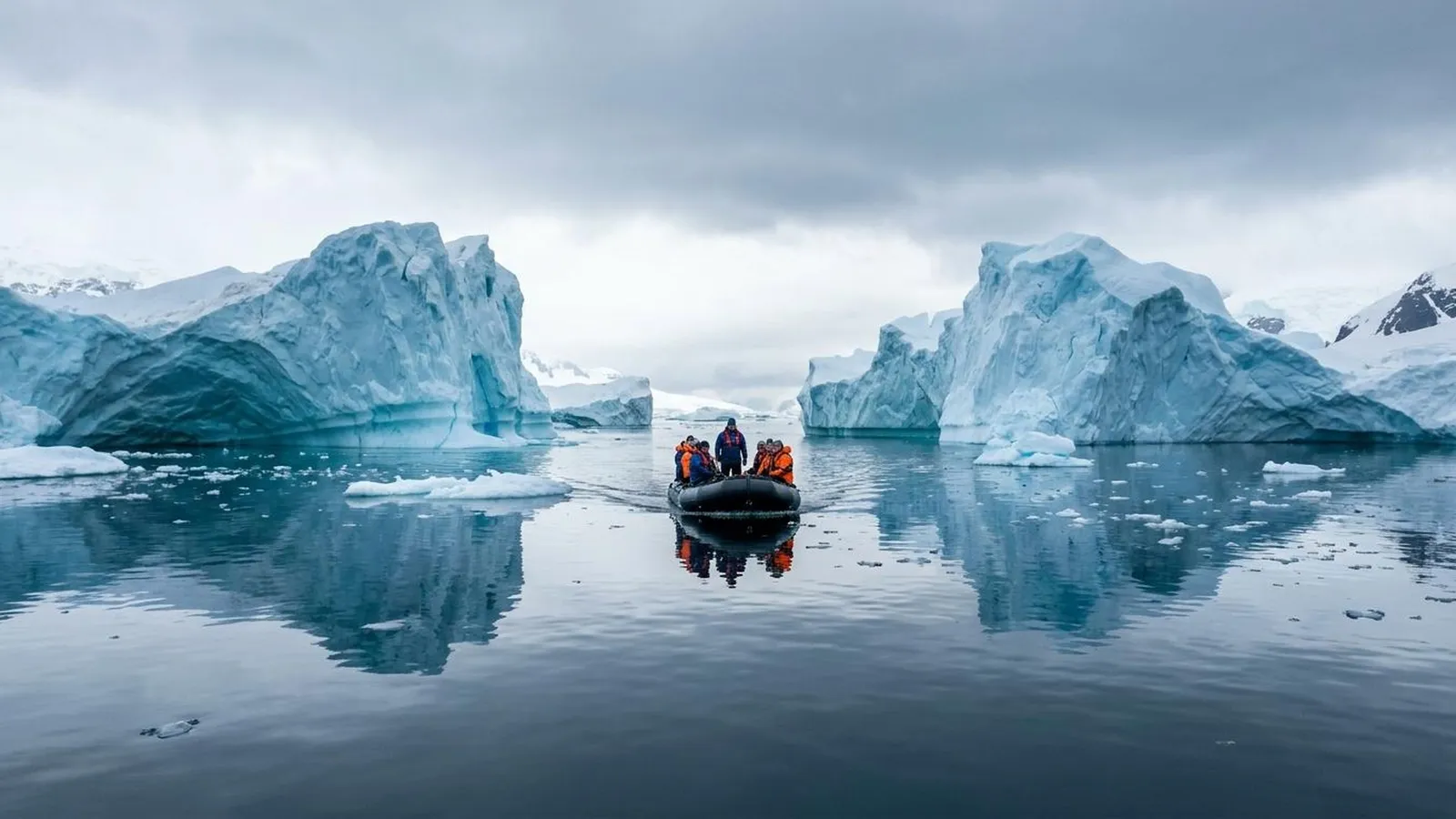
For some people, Antarctica means seeing an unfamiliar white landscape from a ship. For others, the ambition is to step ashore. A third person imagines learning from an expedition team while travelling through a place they have only encountered in books.
Before choosing a voyage, decide which of those expectations matters to you. A destination label does not establish that every ship offers the same activities or that a planned activity will happen.
The useful first task is to turn “go to Antarctica” into an experience you can describe honestly.
Separate seeing, travelling and landing
When comparing voyages, ask whether the itinerary is scenic sailing, an expedition with planned activities, or something else. Request a clear account of what guests may be able to do and what conditions can prevent it.
If stepping ashore is essential to your ambition, say so before booking. Ask how landings are planned, what restrictions apply and what happens when conditions prevent them. Do not convert an itinerary’s proposed landing into a guarantee.
If you would be satisfied observing from the vessel, choose with that in mind. You do not need to buy a more demanding experience merely because someone else uses it as the standard for having “really been.”
Read preparation as part of the attraction
IAATO, the International Association of Antarctica Tour Operators, publishes preparation and visitor guidance. Its material treats visiting as a responsibility as well as a privilege. Start there, then obtain the instructions for your exact voyage.
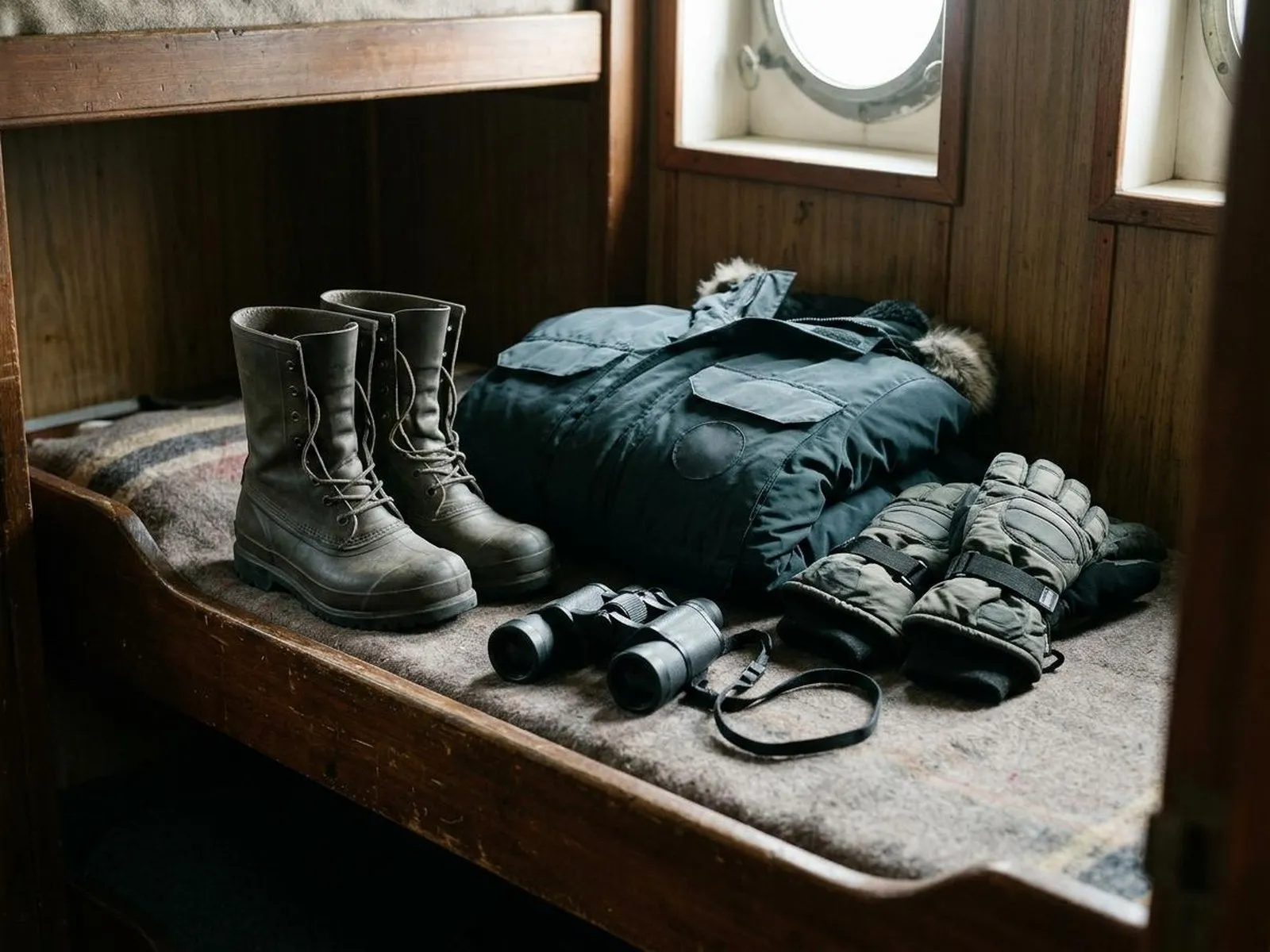
Ask about clothing, equipment, participation requirements and the practical sequence of any offered activity. Describe relevant needs before paying. Do not assume that a photograph of other guests ashore establishes what you personally can do.
This guide is not a medical assessment or a technical expedition checklist. The operator must explain the requirements of the product it is selling, and you may need advice appropriate to your circumstances.
Quark’s published FAQ specifically highlights mobility for Zodiac transfers and uneven terrain, requires a medical form and directs guests to the conditions in their own passenger documents. It also states a medical-insurance requirement. Discuss your circumstances and obtain the current requirements directly before booking; a place on the ship is not assurance that every off-ship activity suits you. Read Quark’s preparation FAQ.
Compare the whole journey
A voyage quotation is only one part of the plan. Establish the departure and return points, transport connections, pre- and post-voyage accommodation and what the quote includes.
Ask how the provider recommends allowing for disrupted travel and how changes are handled. Read the cancellation and insurance requirements for the actual product rather than assuming an ordinary cruise policy covers everything you intend to do.
If your interest includes a particular activity, check availability, eligibility and additional cost separately. An optional activity in a brochure is not the same as a confirmed place.
Make room for uncertainty
Imagine a journey where a planned activity changes but you learn a great deal from the expedition staff and spend time observing from aboard. Would that still be a trip you value?
That question is worth answering with anyone travelling alongside you. A holiday can become strained when one person sees an altered plan as part of an expedition and another sees it as the loss of the only reason they came.
For a concrete example to research, Quark’s Antarctic Explorer page offers an 11-day Ocean Explorer itinerary starting in Ushuaia and other variants with different ships and starting arrangements. The operator states that activities depend on itinerary, vessel, destination and weather. Treat the exact variant as the product, rather than transferring inclusions between them. This is not an endorsement or a firsthand review. Compare Quark’s itinerary variants.
Leave with attention, not just proof
Follow the current visitor guidance and staff instructions, including the measures intended to avoid disturbing wildlife or carrying unwanted material between places. Do not treat getting a photograph as permission to override them.
IAATO’s preparation guidance asks visitors to inspect and clean belongings before departure and prevent contamination between locations. Follow the expedition team’s cleaning procedures for boots, clothing and equipment. Read IAATO’s biosecurity guidance.
Give yourself something to learn as well as something to see. A question about a place, an animal or the work of the expedition team can remain meaningful when the itinerary changes.
The ambition can still be extraordinary. It simply needs to fit the journey you actually book—and the uncertainty that comes with it.
Sources and planning notes
Researched guide; no firsthand experience is claimed. Source pages checked November 13, 2026. Confirm arrangements for your own date before booking.