Cook a Thai meal on a farm outside Chiang Mai
Turn a favorite cuisine into something you can make, with a hands-on class and one dish to bring into life at home.

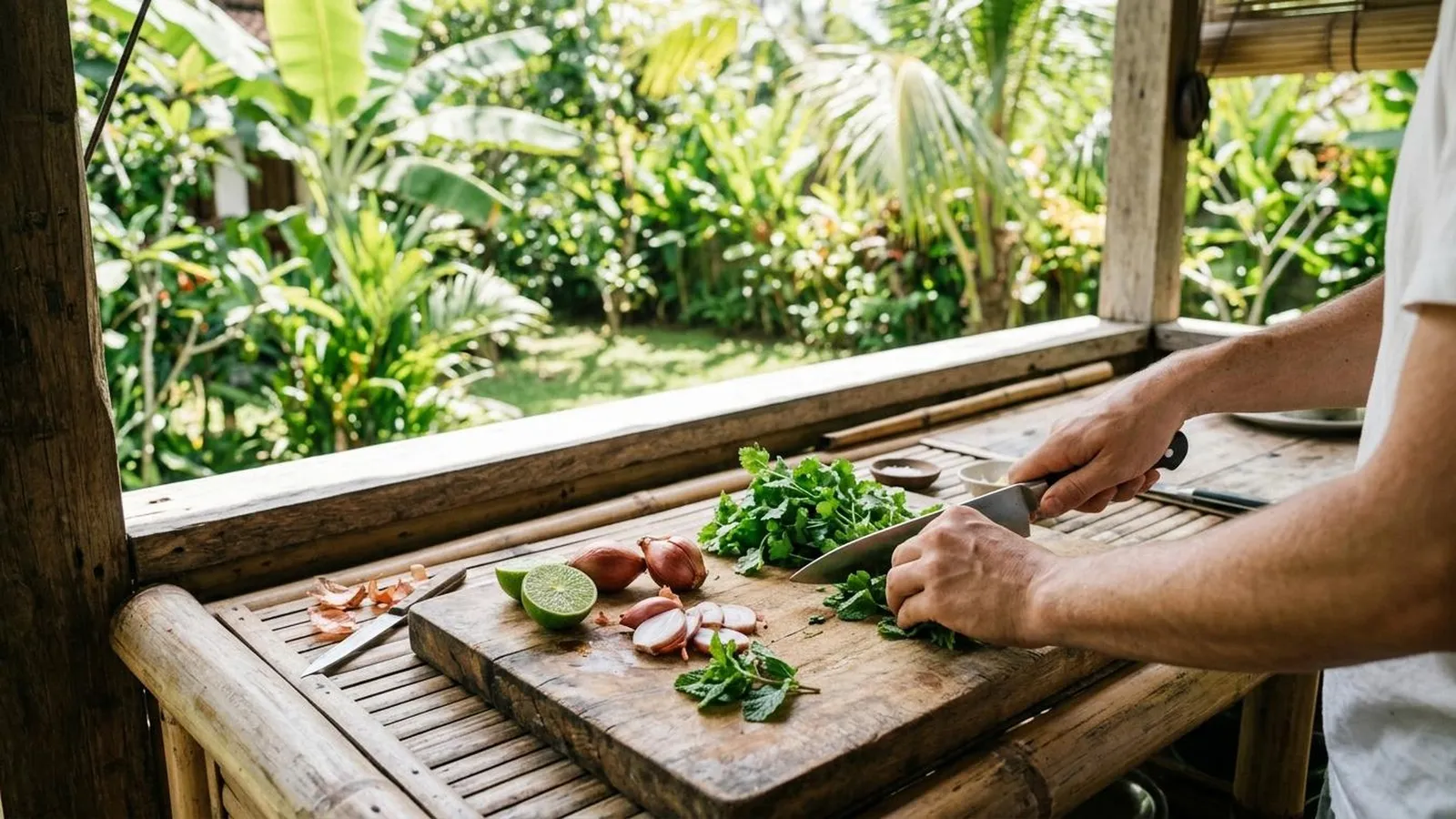
There is a useful moment in a cooking class when a dish stops being something a restaurant produces and becomes a sequence you can understand. You see the ingredients, make a decision about the seasoning and discover which part of the process needs your attention.
A farm-based Thai cooking class near Chiang Mai offers that kind of experience. It can be a satisfying day away from sightseeing, with the possibility of taking home a skill rather than another object for a shelf.
Choose a class in which you actually cook
Thai Farm Cooking School describes a hands-on program that includes a local market visit, learning about ingredients at its farm and cooking at individual stations. The full-day course includes making a curry paste in your own mortar and preparing dishes from several menu categories. Its published inclusions specify instruction in English and a digital recipe book. Class overview · Full-day class
Those details matter more than the general phrase “cooking experience.” Watching a demonstration, sharing one task among several people and making a meal at your own station are different activities. Choose the amount of participation you want.
The school also lists half-day options. Compare their current menus and schedules with the full-day offering rather than assuming the shorter class is identical at a faster pace. A full day can give more room for explanation, while a shorter session may fit your energy or time better.
Pick one dish you want to understand
You may make several things, but choose one as your personal focus. Perhaps it is a curry you regularly order or a soup whose flavor you have never been able to reproduce. Ask which ingredient or step most changes the result.
Use the opportunity to taste and ask questions under the instructor’s guidance. Making a dish less spicy is one choice; understanding what balances its other flavors is a more lasting lesson. Note substitutions you can realistically find at home, and ask which would change the character of the dish too much.
The market and farm visits can make unfamiliar ingredients easier to recognize later. Respect the people working there and ask before taking close photographs. The activity is an introduction arranged for visitors, not a claim that one day gives you complete knowledge of Thai cooking or farming.
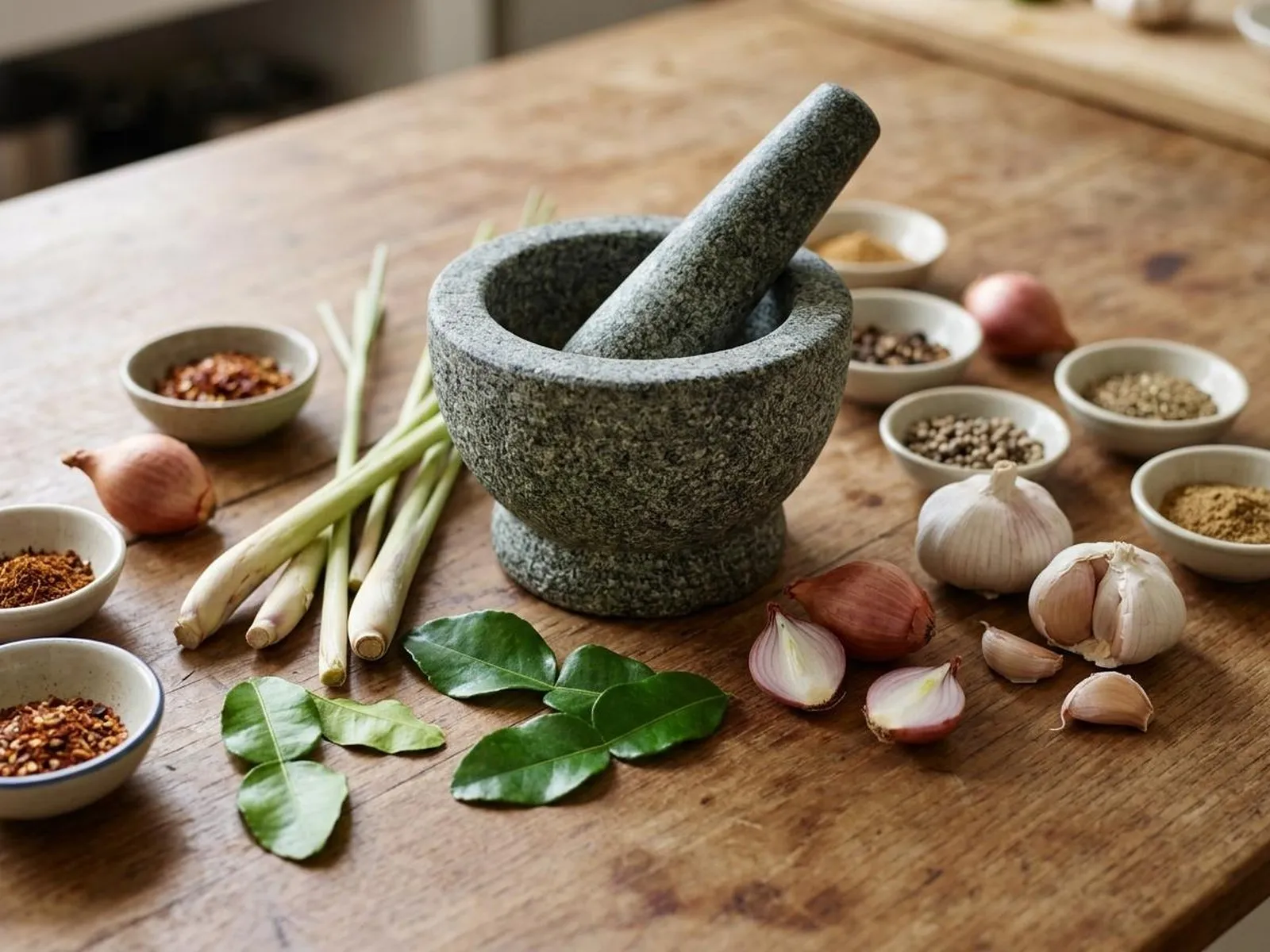
Resolve the practical questions before booking
Confirm the day’s menu and any dietary needs directly with the school. Its published adaptation options are useful starting points, but a vegan, halal or gluten-free menu description is not a guarantee against every allergy or cross-contact risk. Explain a serious requirement clearly and establish whether the class can accommodate it.
Ask about standing, seating, handling knives, heat and the work at the mortar if any of those could affect your participation. English instruction does not establish an accessible workstation or a safe arrangement for every guest.
Pickup is offered within a defined zone, so confirm your accommodation is covered and establish the agreed meeting place. Treat the class, transport and return time as a day plan, not just the hours you spend beside a stove.
Make the second meal at home
Choose a modest follow-through: cook one of the dishes again after the trip, using the recipe and the notes you made. Invite someone if that would be enjoyable, or make it for yourself without trying to reproduce the entire class menu.
That second meal gives the travel experience somewhere to go. A technique learned outside Chiang Mai becomes part of your ordinary kitchen, and the memory returns each time you recognize the ingredient or repeat the step.
Sources
Thai Farm Cooking School class overview