Take the California Zephyr from the Bay Area and let the rail journey lead
Start with Emeryville, choose how long you want to be aboard and decide whether a seat or private room fits the experience.

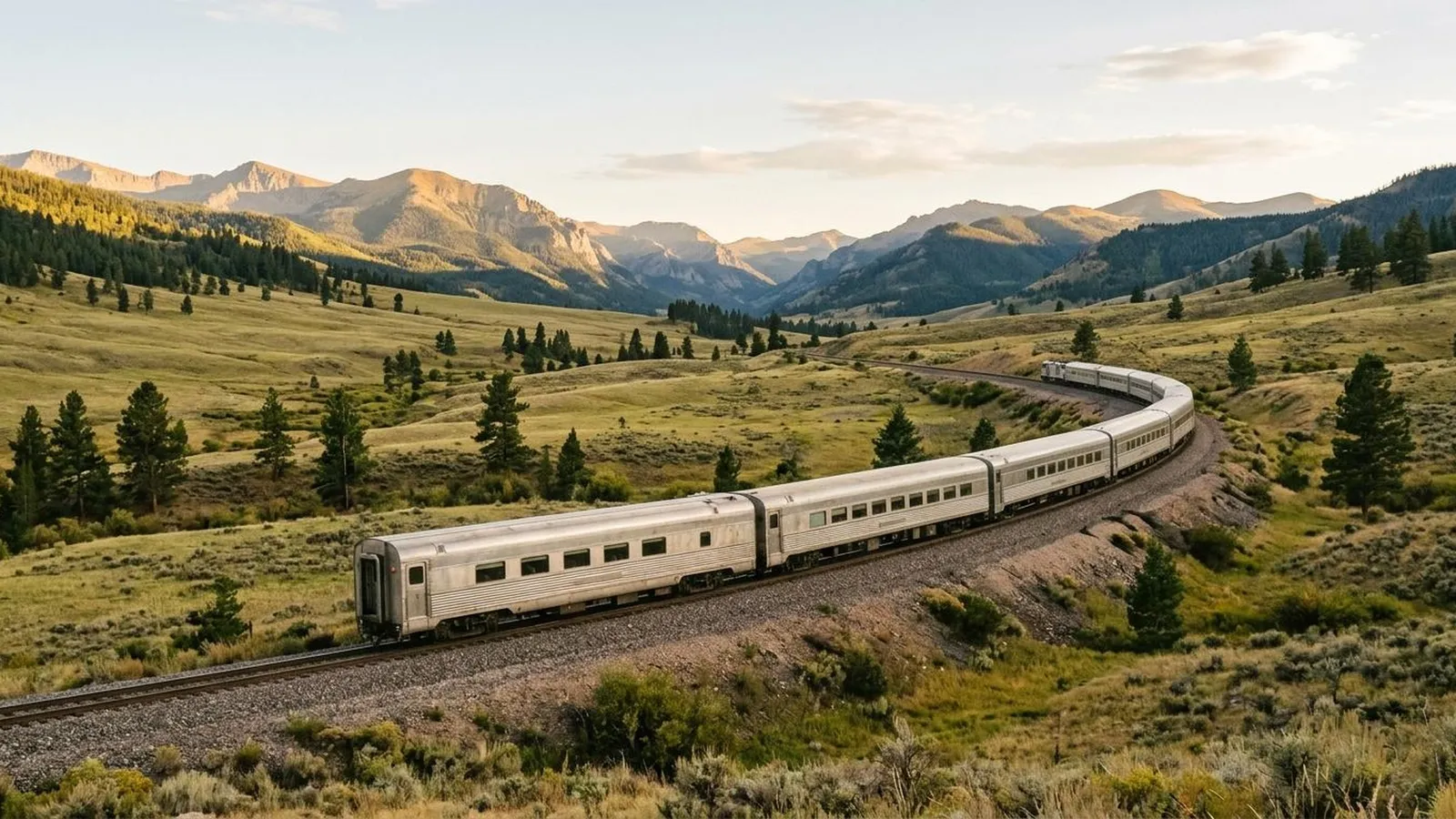
From the Bay Area, a long-distance train journey can begin without flying to another country first. You can make getting to the station the first act of a holiday rather than the prelude to another airport queue.
Amtrak’s California Zephyr links Chicago and Emeryville, with connections onward to San Francisco. Its route page describes a journey through places including Sacramento, Reno, Salt Lake City and Denver.
That gives you choices: make the full railway journey the ambition, or research a shorter section that fits the time and experience you want.
Start at the station you will actually use
The train’s western endpoint is Emeryville. When a journey is described as going to or from San Francisco, read the connection details rather than assuming the train itself boards in the city.
Confirm your ticketed stations, transfer arrangements and baggage instructions. Make the journey to departure straightforward enough that the holiday begins with some calm.
For a Bay Area resident, that small practical distinction can be the difference between an appealing plan and a confusing first morning.
Decide whether the nights are part of the ambition
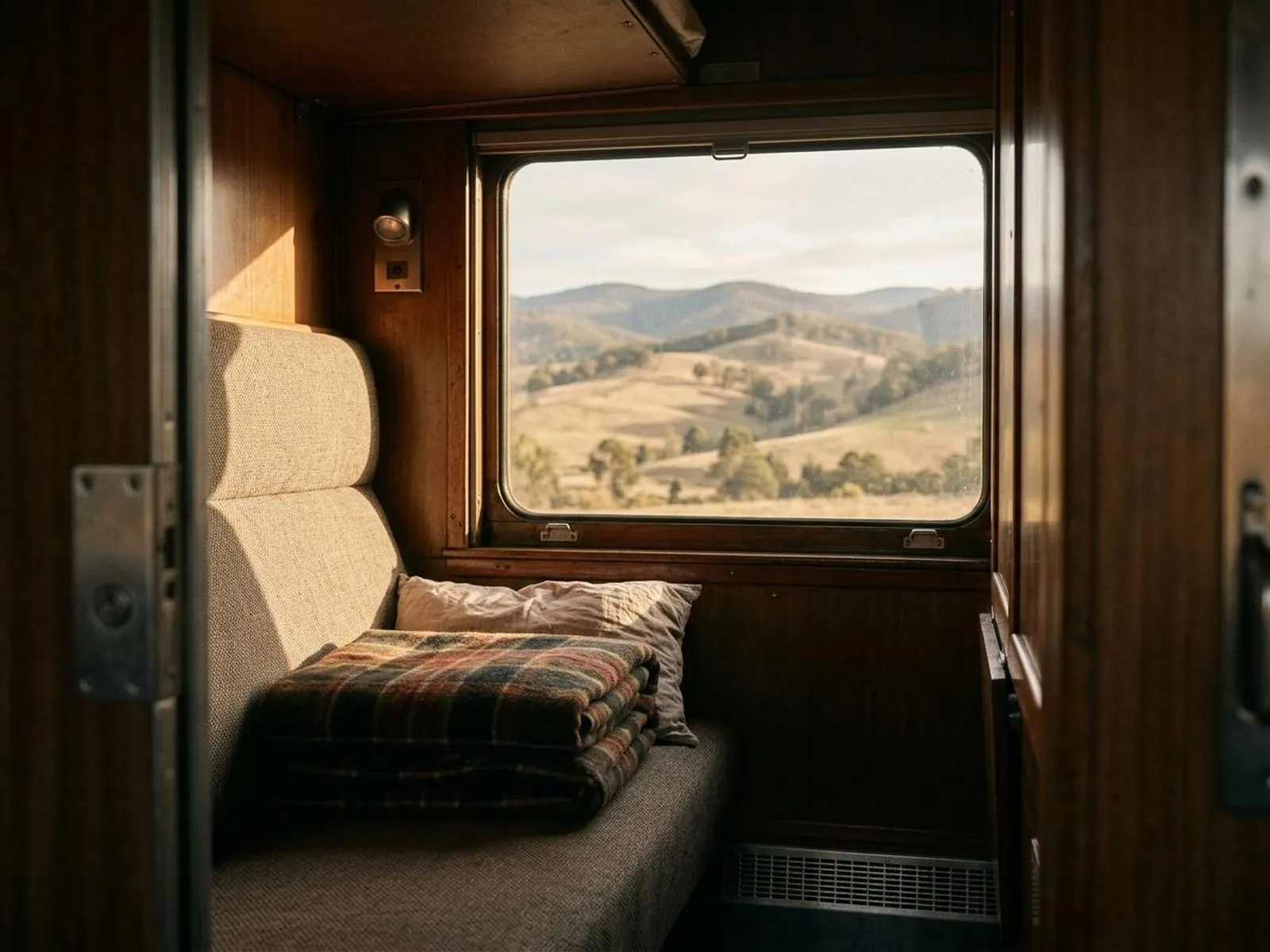
Coach travel and a private sleeping room create different experiences on a long journey. Compare the actual product for your dates, including the bed arrangement, facilities, meals and assistance available.
Do not treat a seat and a room as interchangeable ways to obtain the same holiday at different prices. Think about how you expect to sleep, change clothes, store belongings and spend a quiet hour.
If you have never slept on a train, talk honestly with your companion about expectations. Romance is an attractive beginning; comfort deserves a place in the decision too.
Choose a section with the timetable open
A shorter trip can be worthwhile, but a stop name alone does not establish the right arrival time, hotel arrangements or return service.
Work backwards from the place where you want to finish. What will you do on arrival? When does your onward or return train operate? Are you comfortable if the arrival is later than planned?
Check daylight expectations for the route and date with the operator if a particular stretch of scenery is central. Do not assume that every photograph along the line represents something every passenger sees on every departure.
Let the train day have its own pleasures
Bring something you can enjoy without continuous connectivity: a book, music downloaded in advance or a notebook. Leave space for looking outside and for the ordinary changes in a long day aboard.
You might record one observation after each substantial part of the journey rather than trying to film it continuously. Notice what it feels like to cross distance without being responsible for driving it.
This is a suggested way to use the time, not a promise about the atmosphere or company on any particular train.
Give the journey a forgiving ending
Avoid attaching the expected arrival to a tightly timed, separately booked flight or event. Read current service information and allow a margin that fits the importance of what comes next.
The trip need not be a claim to have crossed America in the definitive way. It can be something smaller and more personal: leaving the Bay Area by rail, spending a night in motion and arriving somewhere you chose to explore.
A bucket-list experience can begin close to home. What changes is the time you give to travelling between places.