Follow one metalworking technique at Bogotá’s Gold Museum
Use a museum label and one visible detail to understand a decision made by a metalworker.

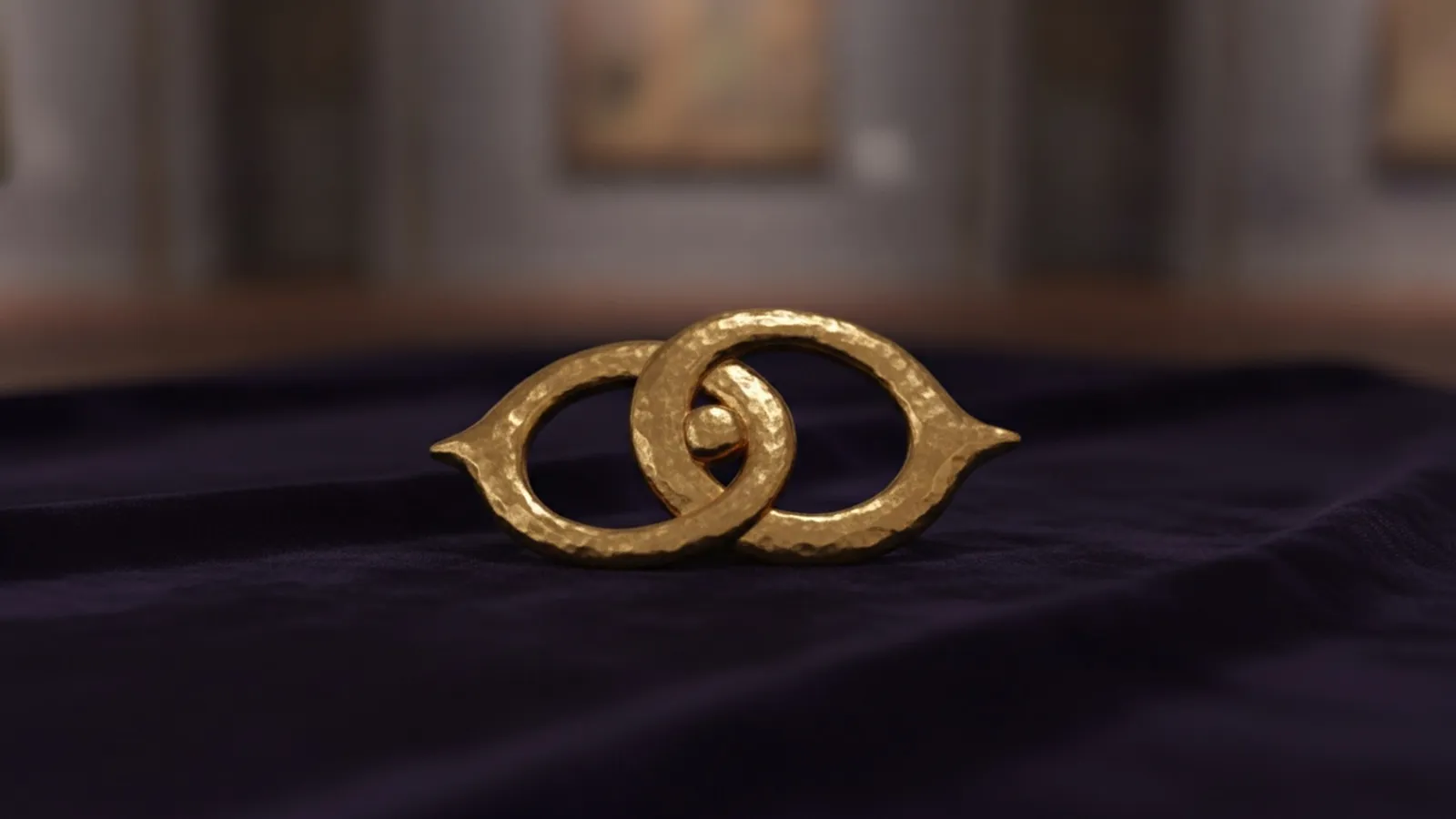
At the Gold Museum in Bogotá, pick one object whose shape makes you wonder how it was made. Spend a little time with the visible evidence before reading everything around it. A thin edge or a repeated shape gives you a specific question to take to the label or a guide.
Choose from what is actually on view
Use Banco de la República’s Museo del Oro information and the visitor page to check open rooms and visitor options. The visitor page describes a second-floor room, El trabajo de los metales, on ancient mining and metalworking techniques, and says the permanent exhibition texts are in Spanish and English. It also lists free guided tours from Tuesday to Saturday, including sessions in English, with no booking needed. The museum is closed on Mondays and lists holiday closures, including December 24, 25 and 31 and January 1. Ask a member of staff where you can see an object with a technique explained, such as casting or hammering. If that gallery is unavailable, choose a different object with a clear account or follow a museum digital resource first. This visit depends on having reliable interpretation alongside the object.
Look for the maker’s decision
First observe one edge or junction. Ask whether it looks like a shape the maker could have pressed, hammered or formed in a mold. Then read what the institution says about the actual technique. If it identifies lost-wax casting, for example, ask which shapes would have been possible to form in the wax model. If it identifies hammering, ask what made a sheet or curved surface workable. Use what you see to ask a question, and let the interpretation settle what can be said.
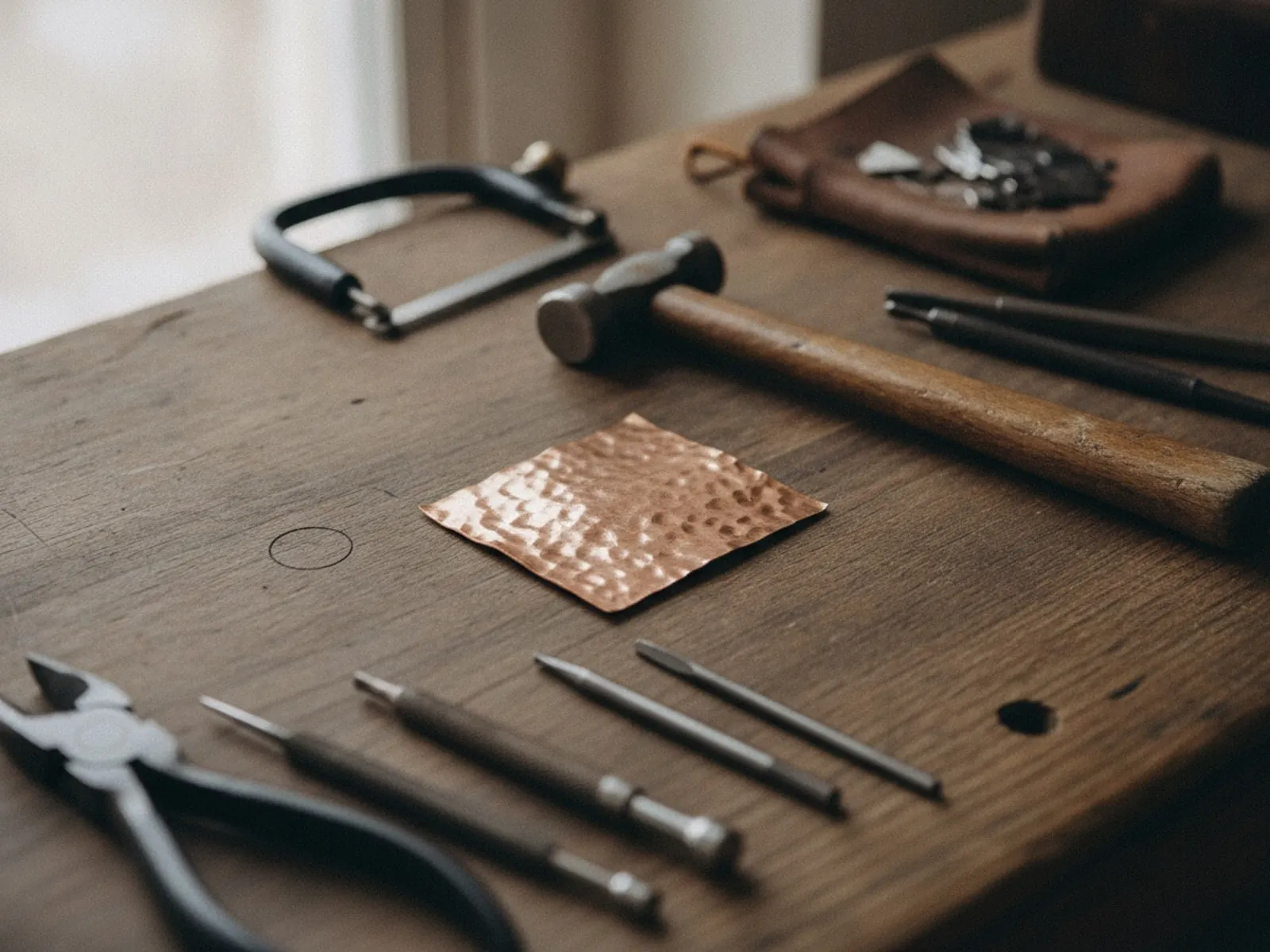
The material, technique and use of an object are separate matters. A description of how it was made does not settle what it meant to the people who made or used it. Follow the museum’s context and use its own cultural identification where it supplies one. Leave time to notice how much you now see in an object you might have walked past.
Common questions
Should I pick an object in advance? You can, but verify it is displayed. One good alternative with a clear label is enough.
What if I don’t recognize a technique? Start with one visible detail and ask what the museum knows about it. Uncertainty is a good reason to read or ask rather than a reason to rush to the next case.
Sources
- Banco de la República’s Museo del Oro · checked 2026-11-24
- Museo del Oro visitor information · checked 2026-11-24