Bind your first book in San Francisco: choose a class for the object you want to make
A beginner bookbinding experience with a useful-object focus, distinct from the earlier letterpress guide.

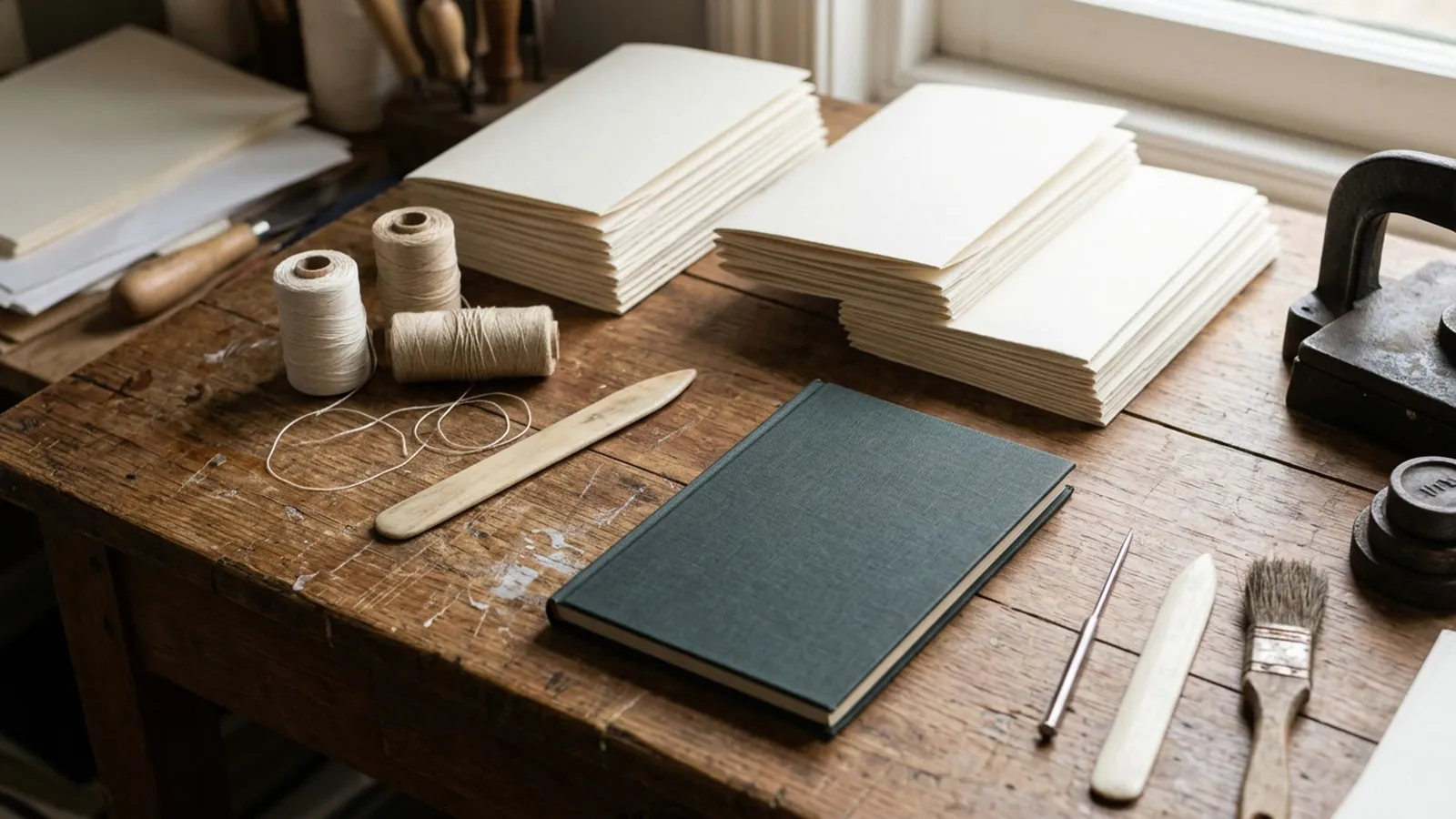
A first handmade book does not need to be elaborate to be satisfying. A small, usable object can teach you more than a complicated project attempted before you understand how its parts work together.
San Francisco Center for the Book is one place to investigate a taught introduction. Choose the class from its current description, not from a photograph of an impressive finished binding or the assumption that every workshop welcomes a complete beginner.
Start with bookbinding rather than a certificate
The Center’s workshop page offers adult classes across skill levels and distinguishes bookbinding from letterpress, arts and risograph workshops. Its core certificate programs are a longer learning route, not something every visitor must undertake.
For a first booking, read the individual class description for prerequisites, intended object, duration, materials and location. A workshop offered by an organization that teaches beginners can still require earlier experience.
The main page advertised Spring 2027 registration when checked November 16, 2026. That does not establish that a particular class has places available. Follow the current listing through to its registration terms before making travel plans.
Choose an object you will use
Ask what you want to do with the result. A notebook for short observations, a small album or an artist’s book can suggest different structures. Let the course description tell you what will actually be taught.
Do not arrive expecting an individual restoration of an old family book unless that is explicitly the purpose of the class. Learning to construct a new object and repairing a valuable existing one are different tasks.
For a first session, it is reasonable to prefer a clear, manageable project. Complexity is not a measure of whether the experience belongs on a bucket list. Understanding a few decisions well can be more rewarding than taking home an elaborate object you cannot explain.
Check the practical demands
Read what students need to bring and which materials are provided. Ask about access, seating, close visual work or hand use if those affect participation. Do not assume a general workshop label answers an individual access question.
The Center describes both in-person and online classes, so verify the format. If your aim is a San Francisco visit, a remote listing is not the booking you mean to make. If travel is difficult, an online class may instead be the option that makes the project possible.
Review cancellation and transfer policies before arranging transport around a fixed date. The Center’s registration policy says a low-enrollment workshop can be cancelled with two days’ notice and invites traveling students to check before finalizing travel. An offered class refund would not necessarily cover separate transport or accommodation costs. A waitlist is not a confirmed place.
Notice the decisions, not just the finish
During the class, follow the instructor’s sequence and safety directions. Pay attention to what each choice changes: how a fold behaves, how pages sit, or how a cover relates to the inside.
If a step is difficult, ask for help before compensating with extra force or an improvised tool. The goal is learning in a supervised setting, not completing the project without ever needing instruction.
Keep one or two brief notes for later if the class permits it. A useful note records a decision you understood or a question to revisit; it does not need to be a complete technical manual copied during the lesson.
Give the book a first use
Afterwards, choose something modest for the first pages. Record three observations from the trip, make a short reading log or begin a small collection of words you want to learn.
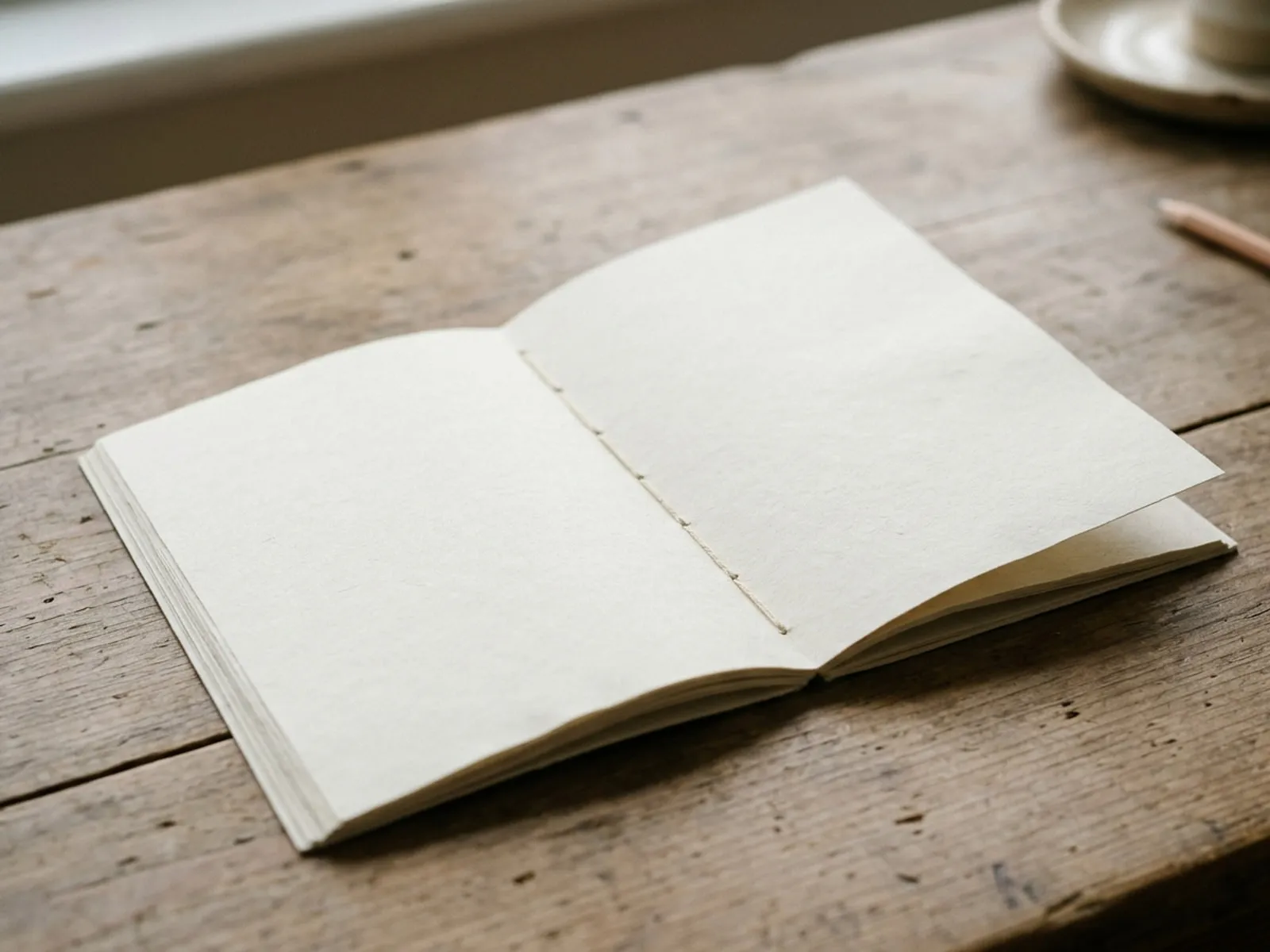
You do not need to preserve the book unused because you made it yourself. Using it can reveal what you enjoy about its size and structure, which is useful information for a second class.
If the process interests you, compare the next learning step with the Center’s stated prerequisites. A longer course can wait until you know whether you like the work itself as much as the idea of the finished object.
Sources
San Francisco Center for the Book: workshop overview and registration policies, checked November 16, 2026. No specific beginner-class date, price, project or available place is promised; those come from the selected class listing.
Continue planning
Print your first page on a letterpress in San Francisco. If you want to work with printing rather than binding, compare the separate introductory letterpress experience.
Use a local class to give a longer stay some structure. A suitable class can become a longer-stay anchor if its dates, prerequisites and practical demands fit your routine.
Make your first piece of pottery in San Francisco. For another modest first craft project in San Francisco, compare a beginner handbuilt-pottery class.