Follow one textile technique at Ahmedabad’s Calico Museum
Register for one of the Calico Museum’s supervised two-hour tours and follow a single printing, weaving or embroidery technique.


Before you go to the Calico Museum, choose one thing you want to understand about a piece of cloth. How does a pattern repeat? Where do the colors meet? What has to happen before thread becomes part of the design? A single question can make a structured tour feel more personal while leaving the guide room to show what is available.
Book the museum tour you mean to take
The Calico Museum, run by the Sarabhai Foundation, can only be seen on supervised tours. Its tour guidelines say you must register online, registrations open 90 days ahead and each tour has only 20 places, so plan well in advance and wait for the confirmation email. Gallery and shop access is limited to tour hours, late entry isn’t allowed once a tour has started, and visitors are asked not to leave midway.
The museum lists two gallery tours, both Tuesday to Sunday except public holidays and both free. The Haveli Galleries tour runs 10:30 a.m. to 12:30 p.m., with entry between 10:15 and 10:30, and includes galleries on block making and printing, embroidery techniques, and weaving and dyeing. The Chauk Galleries tour runs 2:30 to 4:30 p.m., with entry from 2:15, and covers court and export textiles, costumes, regional embroideries and tie-dyed textiles. For a technique question, the Haveli tour is the closer fit. There is also a Thursday-only Udyana Garden tour.
Children under 10 can’t join a tour, and children aged 10 to 15 need a parent, guardian or tutor with them. The galleries are on several levels with different floor surfaces and passage sizes, and the museum says it can’t currently offer wheelchair access. Lighting is kept low to protect the dyes, so give your eyes a few minutes. The guidelines don’t cover tour language or photography, so ask about both when you book (the museum’s contact is [email protected]).
Choose a question that will work with more than one textile. A specific object may be unavailable or outside the tour. A comparison at the scale of one border or repeated element is enough.
Let one example change what you notice
As the guide identifies a piece, look for a detail they can explain. If the example involves a print, notice where the pattern meets the edge. If it involves weaving, see how the guide separates a visible strand from the overall motif. Ask how the maker could repeat a decision or correct a variation. Use the guide’s identification to distinguish construction, decoration and your own tentative observations.
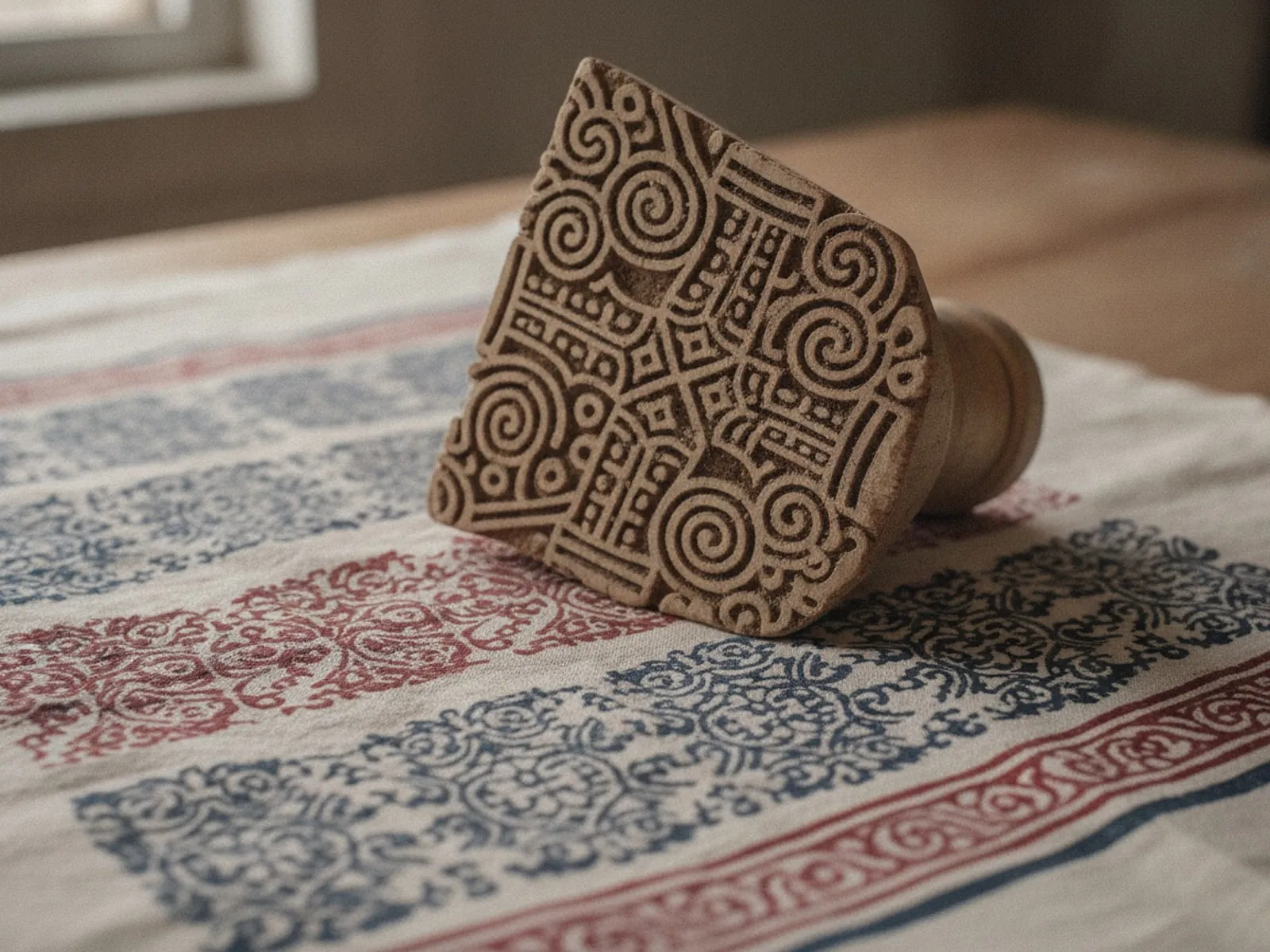
After leaving, write down what you remember and what you would ask on another visit. If you want to retain a visual reference, the museum shop sells books and monographs, which is a better route than photographing a piece where it isn’t allowed. A better question about one textile is enough to take away.
Common questions
Can I shape my own tour? No. Tours are supervised and follow a set route. Bring one flexible question and use the examples the guide can show.
Can I just turn up? Registration is required. The guidelines say the Foundation may admit unregistered visitors if registered ones don’t arrive, but that is at its discretion, so don’t plan around it.
Sources
- Calico Museum tours and schedules · checked 2026-11-24
- Calico Museum tour guidelines · checked 2026-11-24
- Calico Museum Haveli Galleries tour · checked 2026-11-24
- Calico Museum Chauk Galleries tour · checked 2026-11-24